















USB Mic vs XLR Mic: Which Should You Buy?

Choosing a USB mic or an XLR mic is the first decision in a podcast or vocal setup, because the connection decides the rest of the chain. A USB mic plugs into the computer and needs no interface. An XLR mic needs an interface or a mixer with a mic preamp. This guide explains that difference, who each connection is for, and the hybrid mic that offers both. You will see how to pick a first vocal mic that matches the setup you have now, and what you would add later if the recording chain grows.
USB Mic vs XLR Mic: The Main Difference
A USB microphone contains the parts needed to turn your voice into a digital signal your computer can record. Connect it by USB, select it in your recording app, plug in headphones if the mic has a headphone output, and you are ready to work. This is the cleanest path for a solo podcast, streaming desk, voiceover corner, or quick vocal demo.
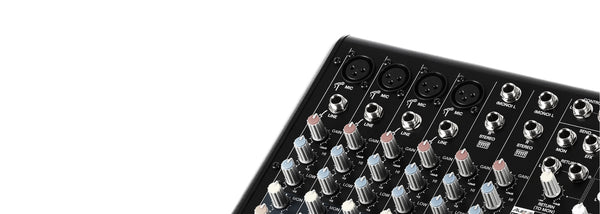
An XLR microphone sends an analog signal through an XLR cable. It needs an audio interface or mixer with a microphone preamp before your computer can record it. That adds gear to the setup, but it also separates the microphone from the rest of the recording system.
- USB mic: Direct connection to a computer, simple setup, fewer pieces to buy.
- XLR mic: Requires an interface or mixer with a mic preamp, better suited to a studio system you plan to expand.
- Hybrid USB/XLR mic: Gives you both connection options in one microphone.
The choice is less about one format sounding automatically better than the other. Mic placement, your room, your voice, and your recording habits matter more. The practical question is how much control and expansion you need around the microphone.
Why Choose a USB Microphone?
A USB mic suits anyone who wants a direct, quick path to recording a voice. It is especially useful on a desk where your computer is already the centre of the setup.
For a solo podcast, YouTube narration, livestream, online lesson, or rough vocal recording, USB makes sense because the signal path stays short. You do not need an external mic preamp. You do not need an XLR cable. It also avoids the common beginner problem of connecting a new mic correctly but missing one small interface setting.
USB mics can include useful hands-on controls. The Audio-Technica AT2020USB-XP, for example, has headphone mix, headphone level, mute, automatic gain control, and noise reduction controls on the mic. Those tools can make a desk recording setup easier to manage without reaching for software mid-session.
There are tradeoffs. A USB mic is generally built around one direct-to-computer recording role. If you later want to record several people, route hardware through a mixer, or build a larger vocal recording setup, you may end up adding an interface and changing microphones anyway. That does not make USB a bad purchase. USB works best when its simplicity matches the job.
Why Choose an XLR Microphone?
XLR is the standard connection in many recording studios, rehearsal rooms, live stages, and podcast rigs because it lets you choose the microphone, interface, and monitoring setup separately. Your interface or mixer provides the mic preamp, sends audio to your computer, and gives you a central place to control recording levels.
This route makes sense if you already own an audio interface, plan to buy one, or want your first microphone to remain useful after the rest of your setup changes. You can keep the same XLR mic while replacing your interface, adding outboard gear, moving into a different room, or taking it to a live gig.
Two microphone types come up often in XLR shopping:
- Dynamic microphones are often a sensible choice for close vocal work in untreated rooms. Models such as the Shure SM58, MV7X, and SM7B are built around a dynamic capsule.
- Condenser microphones are common in studio vocal recording. The Audio-Technica AT2035 is a side-address cardioid studio condenser with a high-pass filter and a 10 dB pad for close vocals and loud sources.
For condenser mics that require it, your interface or mixer must provide phantom power. The AT2035 uses phantom power. The Shure MV7X does not require it. Check this before assuming every XLR microphone works the same way.
USB vs XLR Mic Comparison
| Buying question | USB microphone | XLR microphone |
| How it connects | Directly to your computer | Through an audio interface or mixer with a mic preamp |
| Best first use | Solo podcasting, streaming, desk recording, voiceover | Vocal recording, podcast rigs, studio work, live use |
| Extra gear needed | Usually no external interface | Interface or mixer, plus an XLR cable |
| Upgrade path | Simple all-in-one setup | Change interfaces, preamps, monitoring, and microphones independently |
| Best fit for | People who value speed and a tidy desk setup | People building a recording system over time |
Do not treat the table as a quality ranking. A well-placed USB mic can make an excellent podcast episode. An XLR mic in a noisy, reflective room can still sound rough. Get close to the mic, keep it pointed at your mouth, reduce hard reflections around your recording position, and monitor your recording before committing to a long take.
What Is a Hybrid USB/XLR Microphone?
A hybrid mic gives you a direct USB connection and an XLR output in the same body. The Shure MV7+ is a clear example. You can connect it by USB-C for an all-in-one recording setup with built-in DSP, or connect by XLR to a professional audio interface or mixer.
This is a useful middle ground for a first-time podcaster who expects their setup to grow. Start with a laptop and USB-C. Later, add an interface, studio monitors, or a mixer without replacing the microphone. The MV7+ also supports simultaneous USB-C and XLR output, which can be useful for more involved recording and routing setups.
Hybrid designs do cost more than a basic USB mic or a basic XLR dynamic mic. Pay for one if you will genuinely use both connection options. If you know you only want a simple desktop mic, a dedicated USB model is the better value. If you already own an interface and want a straightforward analog recording chain, a dedicated XLR mic is the cleaner buy.
How to Choose Your First Podcast or Vocal Mic
Start by identifying your recording path. If you have a laptop, headphones, and no audio interface, choose USB or hybrid USB/XLR. The Audio-Technica AT2020USB-XP is the direct desk option. The Shure MV7+ costs more, but it gives you an XLR route for later.
If you already have an interface with a mic preamp, buy an XLR mic that matches the work. A Shure SM58 is a practical choice for vocals and performance. An Audio-Technica AT2035 suits studio vocal recording and includes a shock mount. The Shure MV7X is aimed at close-range voice capture through an external interface or mixer.
Your room should influence the decision too. For spoken-word work in a normal bedroom or home office, work close to the mic and keep the back and sides away from noisy equipment. For singing, test your loudest sections before recording a full performance. A good microphone choice helps, but distance, angle, and room noise decide a large part of the final result.
Our USB and XLR Mic Recommendations


Audio-Technica AT2020USB-XP, $229 CAD, is for streamers and podcasters who need a direct computer recording mic for a desk setup. This USB-C cardioid condenser keeps the setup simple while adding practical onboard controls for headphone mix, mute, automatic gain, and three levels of noise reduction. It also includes a desk stand, pop filter, and USB cable, making it a sensible first purchase if you want to record without adding an interface.
Shure MV7+ Black, $311.68 CAD, is for podcasters who want one mic that can handle a direct laptop setup now and an interface-based rig later. It is a hybrid USB/XLR dynamic podcast mic with USB-C and XLR outputs. Use USB-C for direct recording and access to built-in DSP, or connect the XLR output to an interface or mixer. Its dynamic capsule is designed to reject room reflections and background noise, which is useful in a typical home recording space.
Shure SM58, $119 CAD, is for singers, performers, and new producers who need an affordable XLR vocal mic for rehearsal, live work, or recording through an interface. Its tailored vocal response includes a brightened midrange and bass rolloff to control proximity effect. The built-in spherical windscreen helps reduce breath pops, while the steel mesh grille and internal shock mount suit a mic that will see regular use.
Audio-Technica AT2035, $219 CAD, is for vocalists and project-studio producers who need an XLR condenser for close vocals and louder sources. This side-address cardioid studio condenser has an 80 Hz high-pass filter, a 10 dB pad, and a custom shock mount in the box. It needs phantom power from a compatible interface or mixer, so account for that before choosing it as your first XLR mic.
Shure MV7X, $275 CAD, is for podcasters and recording engineers who already have an interface or mixer and want a dedicated XLR voice mic. It uses an XLR-only analog signal path and does not require phantom power. The dynamic capsule and cardioid pickup are aimed at focused close-range vocal recording, making it a strong fit for spoken-word sessions where you prefer choosing your own preamp and monitoring chain.
Shure SM7B, $499 CAD, is for studio vocalists, podcasters, and producers who want an XLR dynamic microphone as part of a serious interface-based recording setup. It is the premium XLR option here for close vocal work. Budget for the microphone, an XLR cable, and an interface or mixer with a microphone preamp. If you want the fewest possible pieces of gear, this is not the starting point. If you are committed to an XLR studio chain, it is a focused long-term vocal mic choice.
USB vs XLR Mic FAQ
Is a USB mic good enough for a podcast?
Yes. A USB mic is a strong choice for a solo podcast, narration, streaming, or remote interview setup because it connects directly to your computer without an external interface. Put the mic close to your mouth, monitor with headphones, and keep room noise under control.
Do XLR microphones sound better than USB microphones?
Not automatically. XLR gives you more control over the recording chain because you choose the interface or mixer that powers and connects the mic. Sound quality still depends on the microphone, your voice, placement, room, and recording technique.
Can I plug an XLR microphone directly into my laptop?
No. An XLR microphone needs an audio interface or mixer with a mic preamp to connect to a computer. Phantom power is required only for microphones that need it, such as the Audio-Technica AT2035. A hybrid mic such as the Shure MV7+ can connect directly by USB-C or connect by XLR to an interface or mixer.
Should I buy the Shure MV7+ or MV7X?
Choose the MV7+ if you want USB-C and XLR flexibility, plus built-in DSP in USB mode. Choose the MV7X if you already have an interface or mixer and want an XLR-only dynamic microphone for your own analog signal chain.


