











Sampler vs Synthesizer: What's the Difference?

A sampler and a synthesizer can both sit at the center of a beat, and they start from different places. A sampler plays recorded audio from pads or keys. A synthesizer generates sound from oscillators or modeled sources. This guide explains that difference, when it matters for a first hardware instrument, and how some instruments do both. You will see how to tell a sampler from a synthesizer from the job it is built for, then how to choose the one that matches the sounds you want to make.
What Is a Sampler?
A sampler plays back recorded audio. That audio can be a drum hit, vocal phrase, field recording, bass note, chord stab, vinyl fragment, or a sound captured in your own session. You load or record the sound, then trigger it with pads, keys, or a sequencer.
The appeal is immediate. If you have a kick drum sound you like, a sampler lets you put that exact kick into your pattern. If you record a spoken line from your phone or capture a short phrase from your session, you can chop it, loop it, pitch it, reverse it, and process it as part of the arrangement.
Most sampler workflows involve some combination of these tasks:
- Recording or importing audio, such as a vocal phrase, drum break, or sound effect.
- Assigning samples to pads, parts, or notes.
- Sequencing patterns to create beats and arrangements.
- Editing playback with pitch changes, reverse playback, loops, and effects.
- Resampling, recording a processed or layered result and treating it as fresh source material.
A sampler is often a fast route into beatmaking because it deals in recognizable sound right away. Load a snare, place it on a pad, sequence a rhythm, and you have a usable part. The creative work comes from selection, timing, chopping, processing, and arrangement.
What Is a Synthesizer?
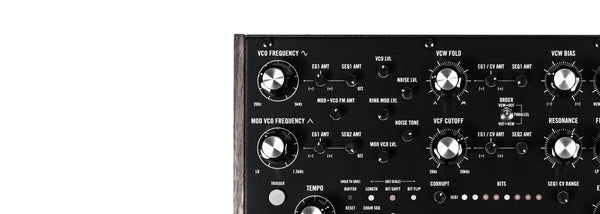
A synthesizer generates sound through oscillators or modeled sound sources, then changes that sound with controls such as filters, envelopes, modulation, and effects. Rather than beginning with a recording, you begin with a raw waveform or generated source and build the tone yourself.
This makes a synth especially useful for parts that need to change with your song. You can make a bass patch darker for the verse, open it up for a chorus, add movement with modulation, or change the attack so it sits around a vocal. The instrument gives you control over the character and behaviour of the sound as your arrangement develops.
Common synthesizer jobs include:
- Building basslines that fit a specific groove.
- Creating pads and chords with evolving tone.
- Writing leads with pitch and filter movement.
- Designing transitions, risers, drones, and texture.
- Making a repeatable sound that can change as the track develops.
A sampler can give you a finished piano chord or drum hit in seconds. A synth can create a useful chord or drum-like sound too, but you shape it into the result you hear in your head.
Sampler vs Synthesizer: Key Differences
| Question | Sampler | Synthesizer |
|---|---|---|
| Where does the sound begin? | Recorded audio | A generated or modeled sound source |
| Best for | Drums, vocals, loops, found sound, and recorded instruments | Bass, leads, pads, texture, and sound design |
| How do you change the sound? | Chopping, pitch changes, looping, sequencing, and effects | Oscillator shaping, filtering, envelopes, modulation, and effects |
| What do you need first? | Audio to record or import | A patch or starting sound |
| Typical creative strength | Capturing character and turning it into a performance | Building a sound that responds to your playing and arrangement |
The line can blur in a modern setup. A sampler may include effects, sequencing, and a sound generator. A hybrid synthesizer may combine digital and analog sound-shaping stages. The useful question stays simple: are you primarily working with recorded audio, or are you generating a fresh sound?
Can You Use a Sampler and Synth Together?
Yes. This pairing works well for electronic music, hip-hop, ambient work, and live performance. Let the sampler handle drums, vocal cuts, percussion, and recorded texture. Let the synth cover bass, chords, leads, and movement. Each instrument has a clear role, so your track can stay focused.
A straightforward hardware setup might look like this:
- A sampler sequences a kick, snare, hats, and chopped vocal.
- A synthesizer plays a bassline that follows the rhythm.
- The synth adds a pad or lead during the arrangement.
- You capture a short synth phrase into the sampler, then reverse or loop it for a transition.
That last step is where the categories become creatively useful. Your synth can create source material, and your sampler can turn that material into something rhythmic, fragmented, or unexpected.
How to Choose Between a Sampler and Synthesizer
Start with the missing role in your music. If your ideas begin with drum breaks, recorded vocals, sample packs, or audio pulled from your own sessions, buy a sampler first. It gives you a direct route from sound collection to a finished beat.
If you keep reaching for bass presets, pads, and leads, a synthesizer is usually the better first purchase. It gives you control over tone and expression as the song changes. An analog synth can suit producers who want a hands-on, direct sound-shaping workflow. A hybrid synthesizer can suit producers who want digital oscillator modes alongside analog filtering.
Budget changes the answer too. A compact sampler such as the Volca Sample 2 is a low-cost way to learn sequencing and sample manipulation. A compact synth such as the Volca Keys gives you a focused route into building basses, leads, and loops. At a higher price point, a performance sampler or flexible synth can become the centre of a production rig.
Our Sampler and Synthesizer Recommendations


Roland SP-404MKII Creative Sampler and Effector
The Roland SP-404MKII is $749.99 CAD for beatmakers, performers, and producers who want to capture, manipulate, and arrange samples in a portable instrument. Its job is to make recorded audio playable through pads, sequencing, editing, and effects.
The SP-404MKII has velocity-sensitive RGB pads, waveform editing, pattern sequencing, and a large selection of effects. Skip Back Sampling can capture a recent performance, while Loop Capture supports recording and layering in real time. Its Sound Generator can create basslines and melodic phrases, and the central workflow remains focused on sampling, resampling, and performance effects. Choose it if chopped samples, live resampling, and hands-on effects are central to your music.
Korg Volca Sample 2 Digital Sample Sequencer
The Korg Volca Sample 2 is $215.99 CAD for beginners and compact-rig producers who want to load audio and turn it into patterns quickly. Its job is to play back your samples, sequence them, and alter them with performance-focused controls.
It holds up to 150 sample slots and sequences them across 10 parts with a 16-step sequencer. Reverse playback, an analog isolator, and per-step parameter locks give you several ways to reshape a sound during programming. This is a sensible first sampler for drum programming, one-shot sounds, short loops, and experimental sample mangling. It also pairs naturally with another Volca instrument for separate sampled rhythm and synthesized melodic parts.
Roland P-6 Creative Sampler
The Roland P-6 is $289.99 CAD for producers who want a compact creative sampler for building sample-based ideas and rhythmic parts. Its job is to put recorded audio at the centre of your writing process, giving you a dedicated instrument for shaping and performing samples.
The P-6 makes sense for a setup where you want sampling to stay immediate and hands-on. Use it for captured sounds, drum material, fragments of recorded instruments, or vocal cuts that need a rhythmic role in the arrangement. It is a practical choice if you are comparing compact sampler options and want an instrument whose stated focus is creative sampling.
Korg Volca Keys Analog Loop Synthesizer
The Korg Volca Keys is $222.99 CAD for producers who want to create basses, pads, leads, and repeating melodic ideas with a compact analog synthesizer. Its job is sound generation, making it a useful counterpart to a sample-based workflow.
Three analog VCOs provide the raw material, with detune, ring modulation, and portamento available for changing the character of a part. A built-in analog delay adds depth, while the 16-step sequencer helps turn a patch into a loop you can build around. Choose it if you want to learn synthesis through physical controls and make original tonal material.
Korg Minilogue 4-Voice Polyphonic Analog Synthesizer
The Korg Minilogue is $879.99 CAD for players and producers who want a polyphonic analog synthesizer for chords, basses, leads, and original patch creation. Its job is to provide generated sound you can shape as your arrangement changes.
The Minilogue fits producers who want an analog synthesizer with room for musical parts beyond a single repeating line. Use it to write chord progressions, layer tonal material over sampled drums, or create a distinct lead voice for your tracks. It is a strong fit when you want synthesis to take a leading role in your studio rather than serve as a secondary texture source.
Arturia MiniFreak Polyphonic Hybrid Synthesizer
The Arturia MiniFreak is $899.99 CAD for producers and players who want a flexible synthesizer for writing parts, shaping patches, and performing with a keyboard. Its job is to generate and transform sound for bass, chords, leads, and texture design.
The MiniFreak pairs two digital oscillator engines with an analog multimode filter, giving you varied starting points before you shape the result. Its modulation matrix, three effects slots, and polyphonic sequencer support patches that change over time. It also includes the MiniFreak V software plugin for extended editing and standalone use. This is the pick for a producer who wants an expansive synth voice in the studio or on stage.
Sampler vs Synthesizer FAQ
Is a sampler easier to learn than a synthesizer?
Often, yes. A sampler starts with finished audio, so you can focus on rhythm, chopping, sequencing, and effects. A synthesizer asks you to create or modify the sound itself, which can take more practice. Both approaches become easier once you have a clear musical goal.
Can a sampler make melodies?
Yes. You can load a pitched sound, such as a piano note, vocal note, or bass note, then trigger it as a melodic part. The result depends on the source recording and how the sampler handles pitch changes.
Do I need both a sampler and a synthesizer?
No. A sampler can carry an entire beat-focused project, and a synthesizer can carry a track built around original melodic and tonal parts. Both make sense when you want the contrast between recorded sound and generated sound in the same workflow.
Is a hybrid synthesizer also a sampler?
A hybrid synthesizer describes how a synthesizer creates and shapes sound, such as combining digital and analog stages. A sampler works with recorded audio. Check the instrument's stated purpose and workflow before deciding which role it fills in your setup.


