














How to Beatmatch by Ear: A Beginner's Guide

Beatmatching by ear is the foundation of DJing. It's the skill that separates someone pressing sync from someone who actually understands how tracks fit together. If you're new to DJing, learning to beatmatch manually might seem intimidating — but it's simpler than you think. This guide walks you through the process step by step, from understanding tempo to making your first seamless transition. No sync button required.
What Is Beatmatching?
Beatmatching is the process of aligning the tempo and phase of two tracks so they play in sync. When done correctly, the beats of both songs hit at exactly the same time, creating a smooth transition that keeps dancers moving.
There are two components to beatmatching:
- Tempo matching: Getting both tracks playing at the same BPM (beats per minute)
- Phase alignment: Lining up the beats so they hit simultaneously, not offset
Modern DJ software can do this automatically with a sync button. But learning to beatmatch by ear gives you control, improves your understanding of music structure, and means you can DJ on any equipment — even vinyl.
Understanding BPM and Tempo
BPM stands for beats per minute. A track at 120 BPM has 120 beats in one minute. House music typically sits around 120-128 BPM. Hip-hop is usually 80-100 BPM. Drum and bass runs at 160-180 BPM.
Your DJ controller or software displays the BPM of each track. The pitch fader (or tempo slider) adjusts the playback speed. Moving it up increases BPM. Moving it down decreases it. Most controllers have a pitch range of ±8% or ±10%, meaning you can speed up or slow down a track by that percentage.
Start by loading two tracks with similar BPMs — within 5-6 BPM of each other. Trying to match a 95 BPM track to a 128 BPM track is possible, but not a good place to start learning.
The Beatmatching Process
Here's the step-by-step method for beatmatching by ear. This assumes you're using a DJ controller with two decks and headphones.
Step 1: Cue Up Track A
Start with one track playing out of the speakers. This is your master track — the one the crowd hears. Let it play. Get familiar with its rhythm and structure.
Step 2: Load and Cue Track B
Load your second track on the other deck. Use your headphones to listen to it. Most DJ mixers have a cue section that lets you choose what you hear in your headphones — deck A, deck B, or both. Set your headphones to monitor deck B only.
Find a clear spot in the track where the beat is obvious — usually right after a breakdown or at the start of a phrase. Press the cue button to set a cue point. This is your starting position.
Step 3: Match the Tempo
Play track B in your headphones while track A plays through the speakers. Listen to both at the same time. This takes practice, but your brain will adjust.
If track B sounds faster than track A, move the pitch fader down. If it sounds slower, move it up. Make small adjustments. You're listening for the moment when both tracks sound like they're moving at the same pace.
A helpful trick: focus on the kick drums. If the kicks in your headphones are rushing ahead of the kicks in the speakers, track B is too fast. If they're dragging behind, it's too slow.
Step 4: Align the Phase
Once the tempos match, you need to align the beats. This is where the jog wheel or platter comes in.
Start track B from your cue point. Listen to both tracks. If the beats are hitting at the same time, you're done. If not, use the jog wheel to nudge track B forward or backward.
If track B's kick hits slightly after track A's kick, nudge the jog wheel forward (clockwise) to push the beat earlier. If it hits before, nudge it backward (counter-clockwise) to delay it.
Make tiny adjustments. You're aiming for the moment when both kicks hit simultaneously and stay locked together.
Step 5: Monitor and Adjust
Even after you've matched the beats, they can drift apart. Tracks aren't perfectly consistent, and small tempo differences add up over time.
Keep one ear on your headphones and one on the speakers. If the beats start to separate, adjust the pitch fader slightly to bring them back in sync. This is called "riding the pitch."
Common Mistakes and How to Fix Them
New DJs make the same mistakes. Here's how to avoid them:
- Overcompensating with the pitch fader: Small adjustments work better than big swings. Move the fader a tiny amount, wait a few bars, then adjust again if needed.
- Not listening to both tracks at once: You need to hear both simultaneously to beatmatch. Split your headphones so one ear monitors the cue and the other hears the master, or get comfortable with both tracks playing in your headphones while the speakers play the master.
- Cueing up at the wrong spot: Start your incoming track on a strong beat — the first kick of a bar. If you cue up mid-phrase, it's harder to tell if the beats are aligned.
- Giving up too early: Beatmatching takes hours of practice. Your first attempts will sound messy. That's normal. Keep going.
Practicing Beatmatching Effectively
Set aside 30 minutes a day to practice. Pick two tracks you know well — familiarity helps you hear when something is off. Start with tracks in the same genre and similar BPM.
Use the sync button as a reference, not a crutch. Beatmatch manually, then hit sync to see how close you got. Over time, you'll get faster and more accurate.
Record your practice sessions. Listening back reveals mistakes you didn't catch in the moment. You'll hear when the beats drifted or when your transition was too abrupt.
Once you can consistently match two tracks, challenge yourself. Try tracks with different BPMs. Mix genres. Beatmatch without looking at the BPM display. These exercises build your ear and your confidence.
Why Beatmatching by Ear Still Matters
Sync buttons are everywhere. So why learn to beatmatch manually?
First, it makes you a better DJ. Understanding tempo and rhythm improves your track selection and your sense of timing. You'll know when a transition feels right, not just when the software says the beats are aligned.
Second, it gives you flexibility. Not all DJ setups have sync. If you're playing on CDJs, vinyl, or older equipment, manual beatmatching is your only option. Knowing the skill means you can play anywhere.
Third, it's more engaging. Beatmatching by ear keeps you connected to the music. You're not just pressing buttons — you're shaping the mix in real time.
Our Recommendations
If you're ready to start practicing, you'll need a DJ controller. These picks are beginner-friendly, affordable, and built for learning the fundamentals of beatmatching.


The Mixtrack Pro FX is a solid starting point. Its large jog wheels make beatmatching easier, and the FX paddles let you experiment with effects once you've nailed the basics. At $299 CAD, it's affordable without feeling like a toy.
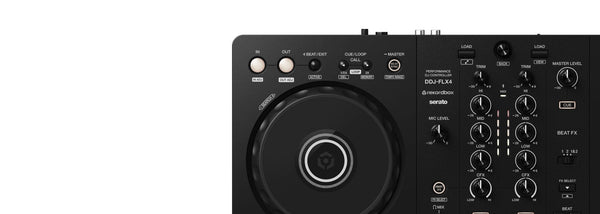
The DDJ-FLX4 works with both rekordbox and Serato, giving you flexibility as you develop your preferences. Its layout mirrors Pioneer's club-standard mixers, so the muscle memory you build here transfers directly to professional setups. The Smart Fader feature can help you understand transitions, but you'll still need to practice beatmatching manually to truly learn.
The DJ-202 adds a creative twist with built-in drum sounds and a sequencer. Once you've mastered beatmatching, you can layer your own beats into the mix. It's compact, portable, and designed for DJs who want to do more than just play tracks back-to-back.
The Party Mix II is the most affordable option here. It's simple, fun, and includes a light show — perfect if you're learning at home and want something that feels like a party. Don't let the price fool you. It's a legitimate learning tool, and it integrates with streaming services so you can practice with a huge library.
Explore Mentioned Brands


FAQ
How long does it take to learn beatmatching by ear?
Most beginners can beatmatch two tracks within a few hours of focused practice. Getting fast and accurate takes weeks. Expect to spend 10-20 hours before it feels natural. The more you practice, the quicker your ear develops.
Do I need to learn beatmatching if I use sync?
You don't need to, but you should. Sync is a tool, not a replacement for understanding rhythm. Learning to beatmatch manually improves your musicality and gives you more control over your mixes. It also means you're not dependent on software that might fail or equipment that doesn't have sync.
Can I beatmatch on any DJ controller?
Yes. Any controller with two decks, a pitch fader, and jog wheels will work. The size and feel of the jog wheels matter — larger wheels are easier to use for fine adjustments — but the process is the same across all controllers.
Should I practice with the BPM display turned off?
Eventually, yes. Start with the BPM display visible so you understand what you're hearing. Once you can consistently match tracks, cover the display and rely on your ears. This builds your ability to beatmatch in any situation, even when the software gives you incorrect BPM readings.


