
















Collection: Microphones

-
 Shure
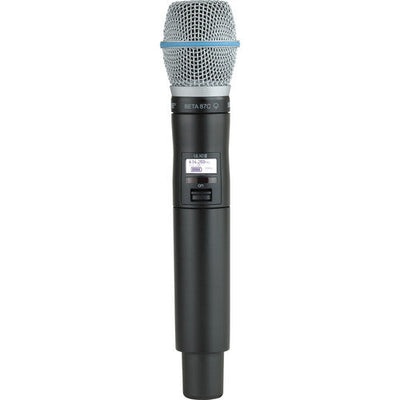
ShureULXD2 Digital Wireless Handheld Transmitter with Beta 87C (X52)
Regular price $1,169.00Regular priceUnit price per$1,169.00Sale price $1,169.00 -
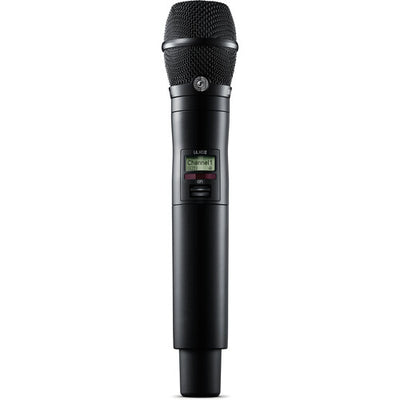 Shure
ShureULXD2 Digital Wireless Handheld Transmitter with KSM11 (G50)
Regular price $2,179.00Regular priceUnit price per$2,179.00Sale price $2,179.00 -
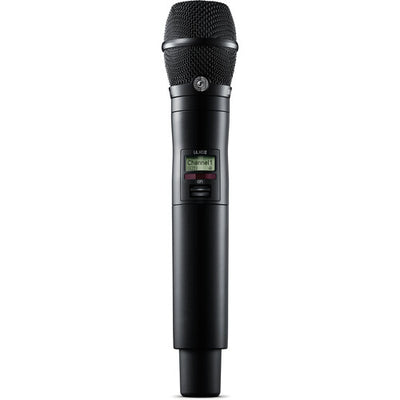 Shure
ShureULXD2 Digital Wireless Handheld Transmitter with KSM11 (H50)
Regular price $2,179.00Regular priceUnit price per$2,179.00Sale price $2,179.00 -
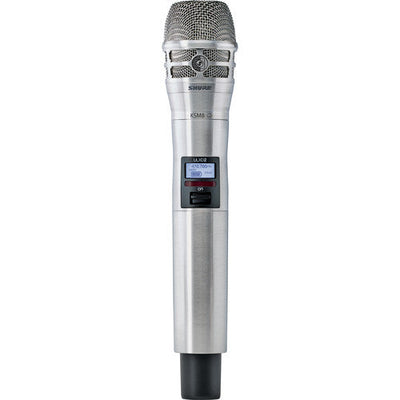 Shure
ShureULXD2 Digital Wireless Handheld Transmitter with KSM8 (G50)
Regular price $1,679.00Regular priceUnit price per$1,679.00Sale price $1,679.00 -
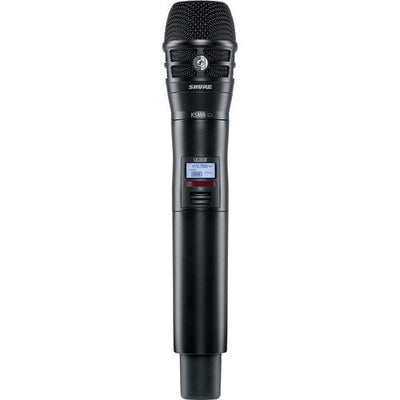 Shure
ShureULXD2 Digital Wireless Handheld Transmitter with KSM8 (G50)
Regular price $1,679.00Regular priceUnit price per$1,679.00Sale price $1,679.00 -
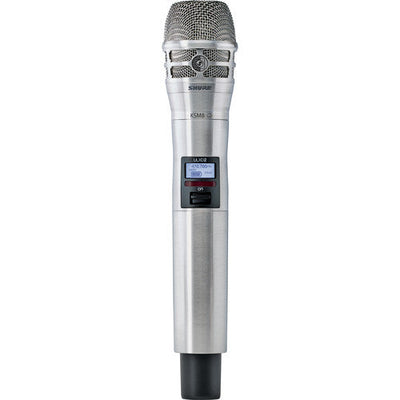 Shure
ShureULXD2 Digital Wireless Handheld Transmitter with KSM8 (H50)
Regular price $1,679.00Regular priceUnit price per$1,679.00Sale price $1,679.00 -
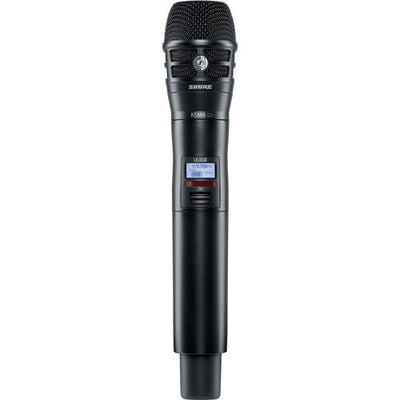 Shure
ShureULXD2 Digital Wireless Handheld Transmitter with KSM8 (H50)
Regular price $1,679.00Regular priceUnit price per$1,679.00Sale price $1,679.00 -
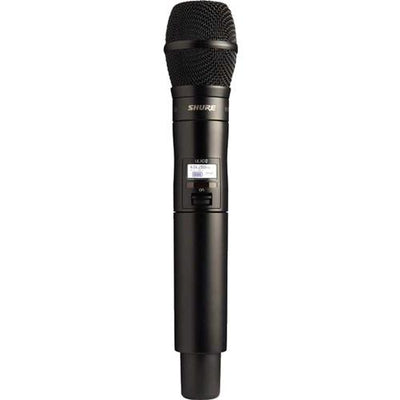 Shure
ShureULXD2 Digital Wireless Handheld Transmitter with KSM9 (G50)
Regular price $1,949.00Regular priceUnit price per$1,949.00Sale price $1,949.00 -
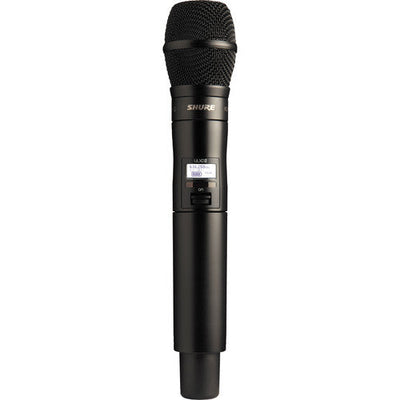 Shure
ShureULXD2 Digital Wireless Handheld Transmitter with KSM9 (H50)
Regular price $1,949.00Regular priceUnit price per$1,949.00Sale price $1,949.00 -
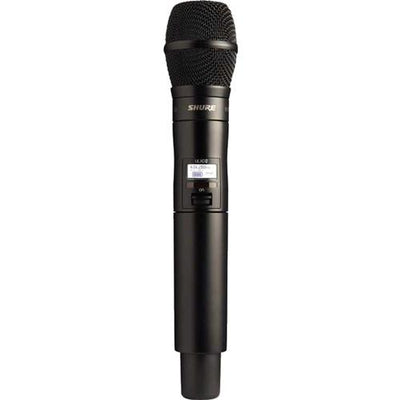 Shure
ShureULXD2 Digital Wireless Handheld Transmitter with KSM9 (V50)
Regular price $1,940.00Regular priceUnit price per$1,940.00Sale price $1,940.00 -
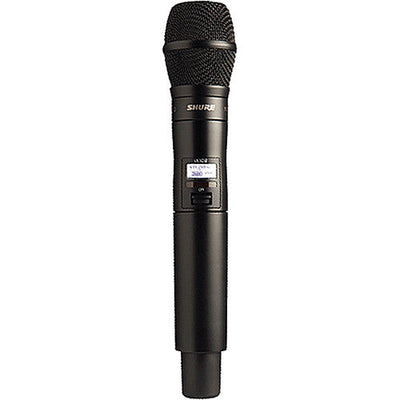 Shure
ShureULXD2 Digital Wireless Handheld Transmitter with KSM9 (X52)
Regular price $1,949.00Regular priceUnit price per$1,949.00Sale price $1,949.00 -
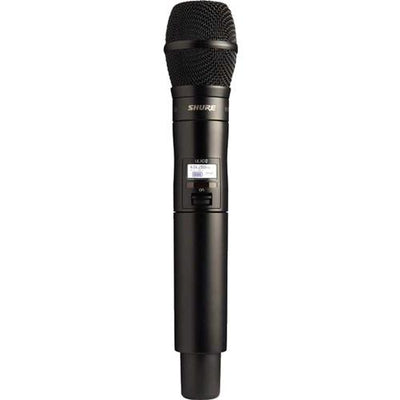 Shure
ShureULXD2 Digital Wireless Handheld Transmitter with KSM9HS (G50)
Regular price $1,949.00Regular priceUnit price per$1,949.00Sale price $1,949.00 -
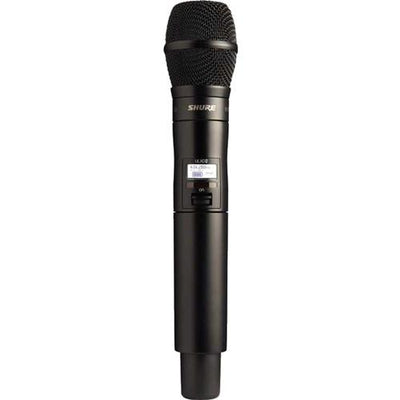 Shure
ShureULXD2 Digital Wireless Handheld Transmitter with KSM9HS (H50)
Regular price $1,949.00Regular priceUnit price per$1,949.00Sale price $1,949.00 -
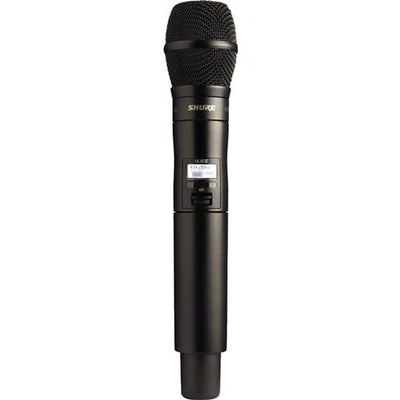 Shure
ShureULXD2 Digital Wireless Handheld Transmitter with KSM9HS (V50)
Regular price $1,949.00Regular priceUnit price per$1,949.00Sale price $1,949.00 -
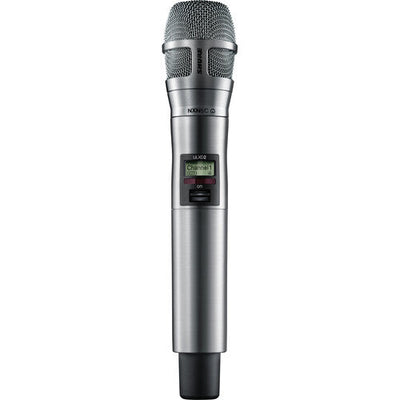 Shure
ShureULXD2 Digital Wireless Handheld Transmitter with Nexadyne 8/C (G50)
Regular price $1,159.00Regular priceUnit price per$1,159.00Sale price $1,159.00 -
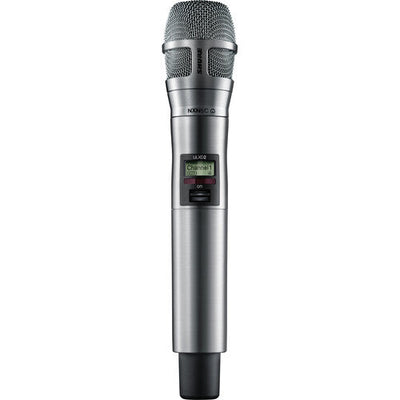 Shure
ShureULXD2 Digital Wireless Handheld Transmitter with Nexadyne 8/C (H50)
Regular price $1,159.00Regular priceUnit price per$1,159.00Sale price $1,159.00 -
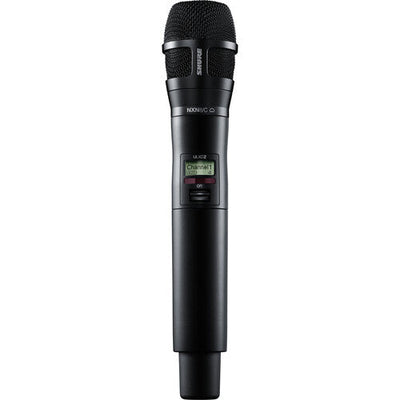 Shure
ShureULXD2 Digital Wireless Handheld Transmitter with Nexadyne 8/C (H50)
Regular price $1,159.00Regular priceUnit price per$1,159.00Sale price $1,159.00 -
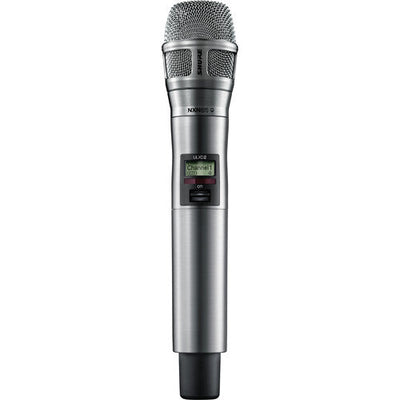 Shure
ShureULXD2 Digital Wireless Handheld Transmitter with Nexadyne 8/S (G50)
Regular price $1,159.00Regular priceUnit price per$1,159.00Sale price $1,159.00 -
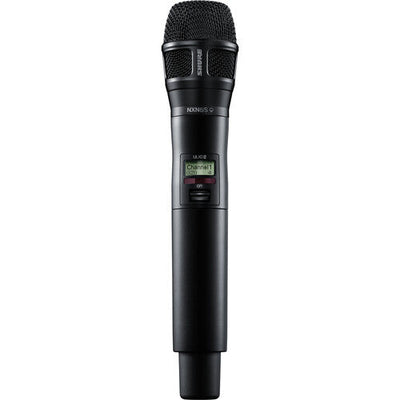 Shure
ShureULXD2 Digital Wireless Handheld Transmitter with Nexadyne 8/S (G50)
Regular price $1,159.00Regular priceUnit price per$1,159.00Sale price $1,159.00 -
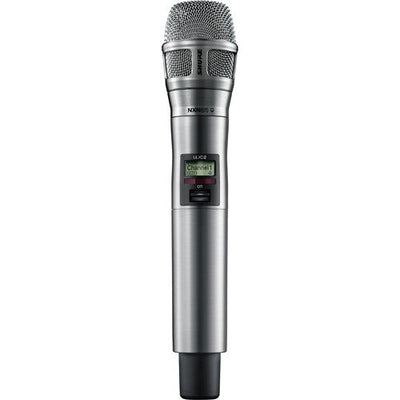 Shure
ShureULXD2 Digital Wireless Handheld Transmitter with Nexadyne 8/S (H50)
Regular price $1,159.00Regular priceUnit price per$1,159.00Sale price $1,159.00 -
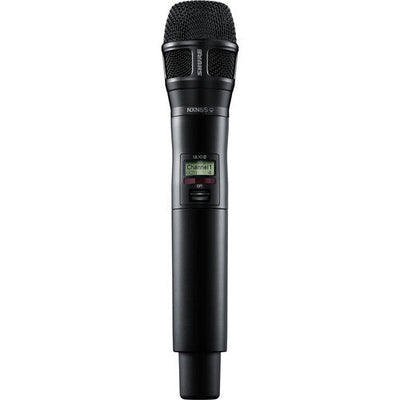 Shure
ShureULXD2 Digital Wireless Handheld Transmitter with Nexadyne 8/S (H50)
Regular price $1,159.00Regular priceUnit price per$1,159.00Sale price $1,159.00 -
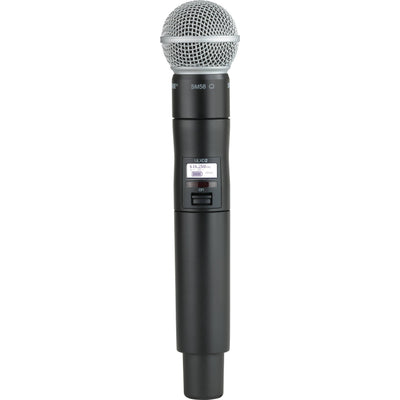 Shure
ShureULXD2 Digital Wireless Handheld Transmitter with SM58 (V50)
Regular price $880.00Regular priceUnit price per$880.00Sale price $880.00 -
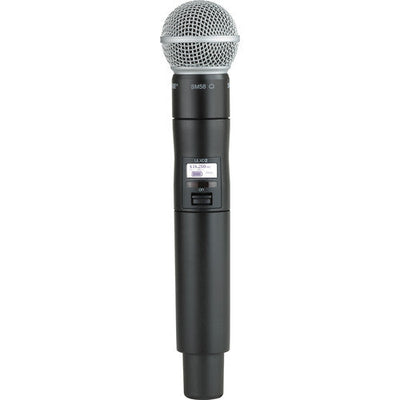 Shure
ShureULXD2 Digital Wireless Handheld Transmitter with SM58 (X52)
Regular price $879.00Regular priceUnit price per$879.00Sale price $879.00 -
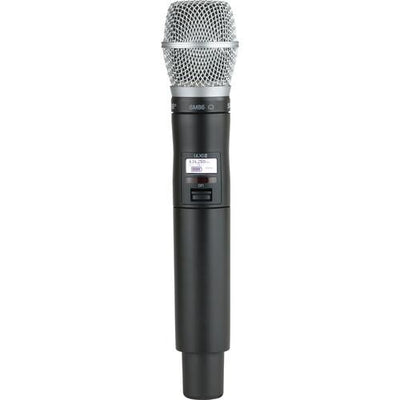 Shure
ShureULXD2 Digital Wireless Handheld Transmitter with SM86 (G50)
Regular price $1,029.00Regular priceUnit price per$1,029.00Sale price $1,029.00 -
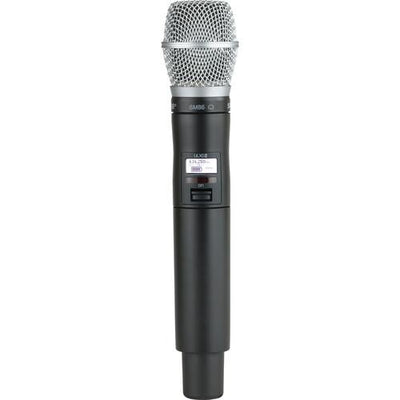 Shure
ShureULXD2 Digital Wireless Handheld Transmitter with SM86 (V50)
Regular price $1,029.00Regular priceUnit price per$1,029.00Sale price $1,029.00 -
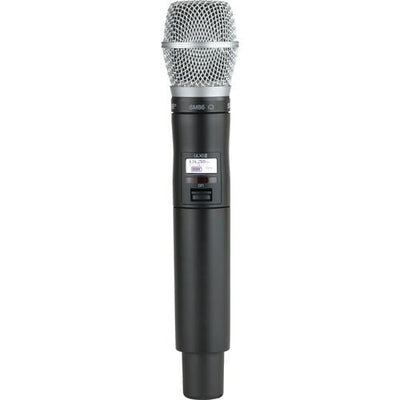 Shure
ShureULXD2 Digital Wireless Handheld Transmitter with SM86 (X52)
Regular price $1,029.00Regular priceUnit price per$1,029.00Sale price $1,029.00 -
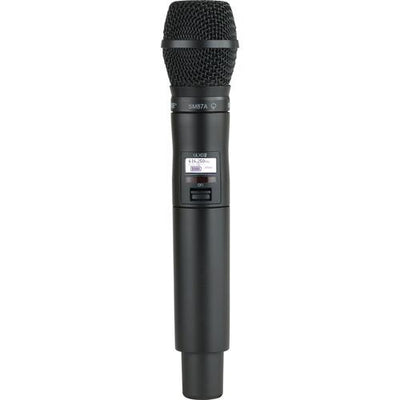 Shure
ShureULXD2 Digital Wireless Handheld Transmitter with SM87A (G50)
Regular price $1,169.00Regular priceUnit price per$1,169.00Sale price $1,169.00 -
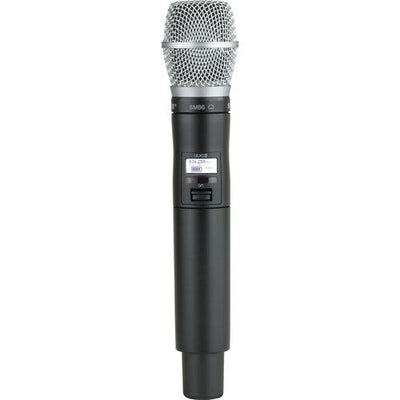 Shure
ShureULXD2 Digital Wireless Handheld Transmitter with SM87A (H50)
Regular price $1,169.00Regular priceUnit price per$1,169.00Sale price $1,169.00 -
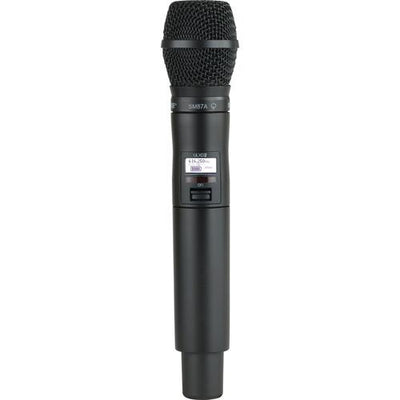 Shure
ShureULXD2 Digital Wireless Handheld Transmitter with SM87A (V50)
Regular price $1,160.00Regular priceUnit price per$1,160.00Sale price $1,160.00 -
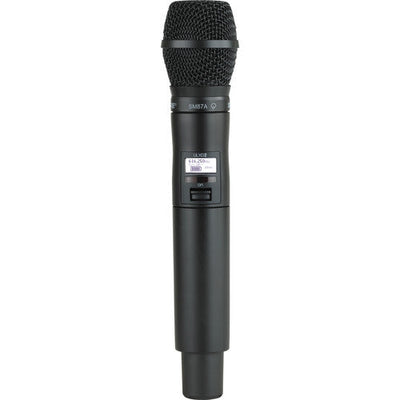 Shure
ShureULXD2 Digital Wireless Handheld Transmitter with SM87A (X52)
Regular price $1,169.00Regular priceUnit price per$1,169.00Sale price $1,169.00 -
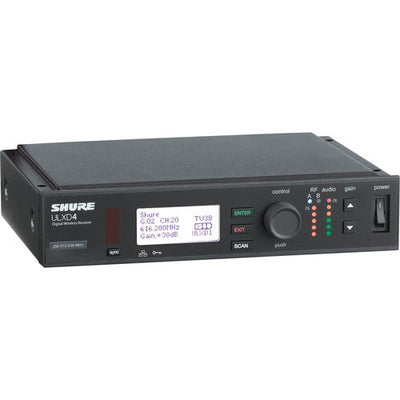 Shure
ShureULXD4 Single-Channel Digital Wireless Receiver (V50)
Regular price $1,660.00Regular priceUnit price per$1,660.00Sale price $1,660.00 -
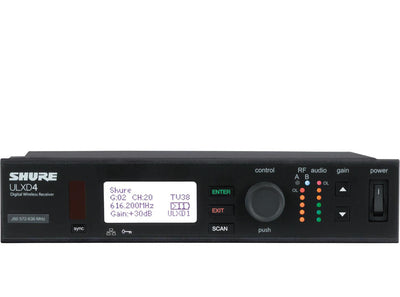 Shure
ShureULXD4 Single-Channel Digital Wireless Receiver (X52)
Regular price $1,660.00Regular priceUnit price per$1,660.00Sale price $1,660.00 -
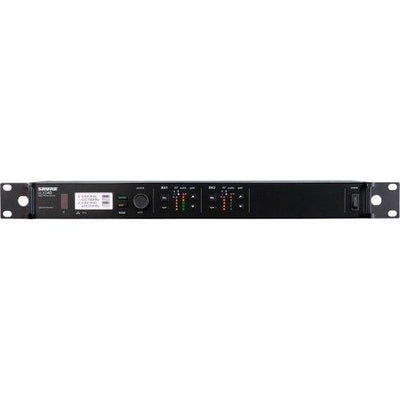 Shure
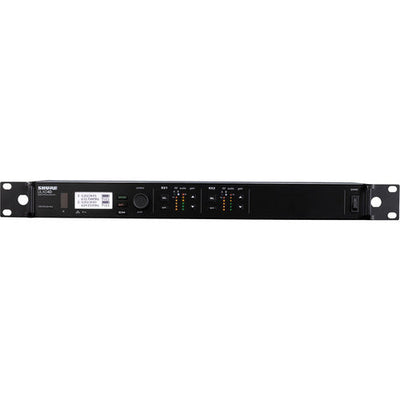
ShureULXD4D Dual-Channel Digital Wireless Receiver (G50)
Regular price $4,649.00Regular priceUnit price per$4,649.00Sale price $4,649.00 -
 Shure
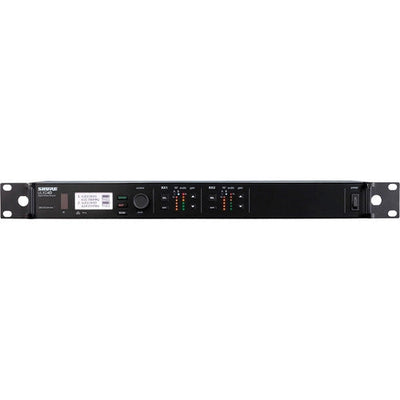
ShureULXD4D Dual-Channel Digital Wireless Receiver (V50)
Regular price $4,750.00Regular priceUnit price per$4,750.00Sale price $4,750.00 -
 Shure
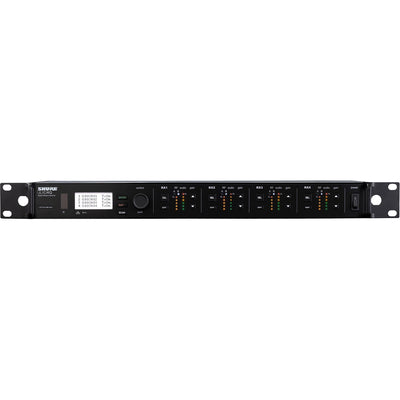
ShureULXD4D Dual-Channel Digital Wireless Receiver (X52)
Regular price $4,649.00Regular priceUnit price per$4,649.00Sale price $4,649.00 -
 Shure
ShureULXD4Q Quad-Channel Digital Wireless Receiver (X52)
Regular price $9,289.00Regular priceUnit price per$9,289.00Sale price $9,289.00 -
 Shure
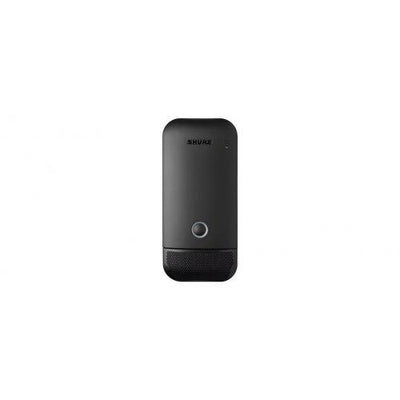
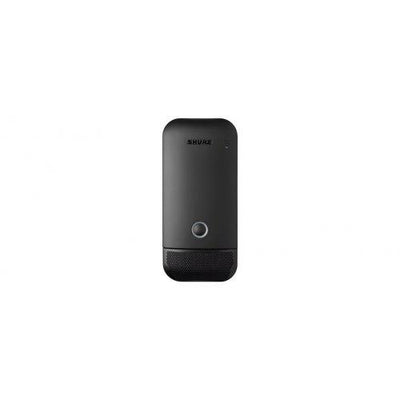
ShureULXD6/C Wireless Boundary Transmitter, Cardioid (H50)
Regular price $880.00Regular priceUnit price per$880.00Sale price $880.00 -
 Shure
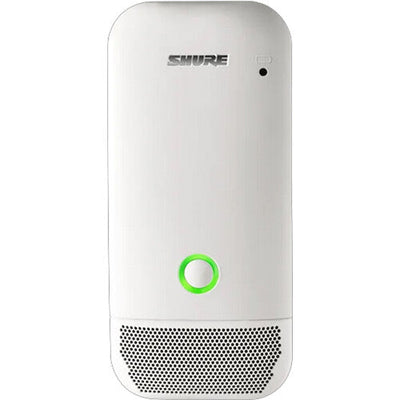
ShureULXD6/C Wireless Boundary Transmitter, Cardioid (X52)
Regular price $880.00Regular priceUnit price per$880.00Sale price $880.00 -
 Shure
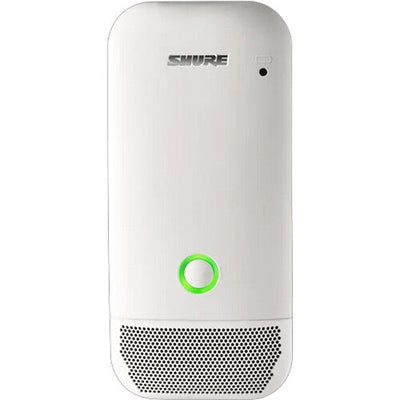
ShureULXD6/O Wireless Boundary Transmitter, Omnidirectional (G50)
Regular price $880.00Regular priceUnit price per$880.00Sale price $880.00 -
 Shure
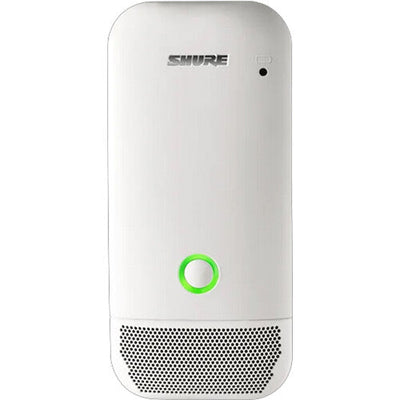
ShureULXD6/O Wireless Boundary Transmitter, Omnidirectional (H50)
Regular price $842.94Regular priceUnit price per$842.94Sale price $842.94 -
 Shure
ShureULXD6/O Wireless Boundary Transmitter, Omnidirectional (X52)
Regular price $880.00Regular priceUnit price per$880.00Sale price $880.00 -
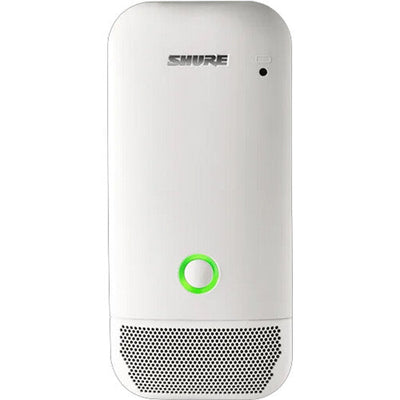 Shure
ShureULXD6W/C Wideband Wireless Boundary Transmitter, Cardioid (G50)
Regular price $879.00Regular priceUnit price per$879.00Sale price $879.00 -
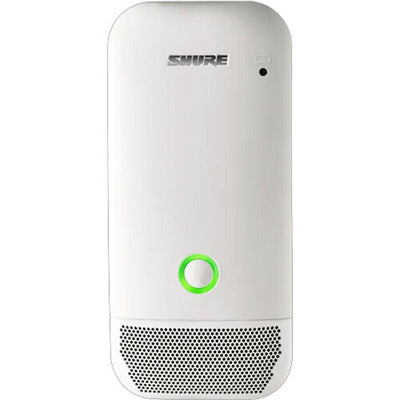 Shure
ShureULXD6W/C Wideband Wireless Boundary Transmitter, Cardioid (H50)
Regular price $879.00Regular priceUnit price per$879.00Sale price $879.00 -
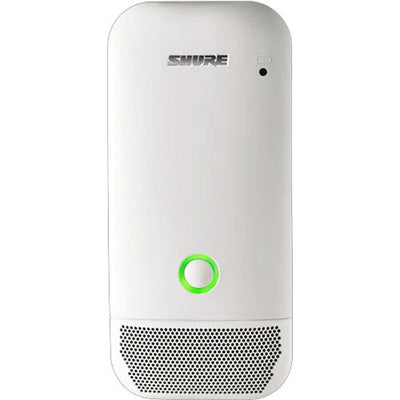 Shure
ShureULXD6W/C Wideband Wireless Boundary Transmitter, Cardioid (X52)
Regular price $879.00Regular priceUnit price per$879.00Sale price $879.00 -
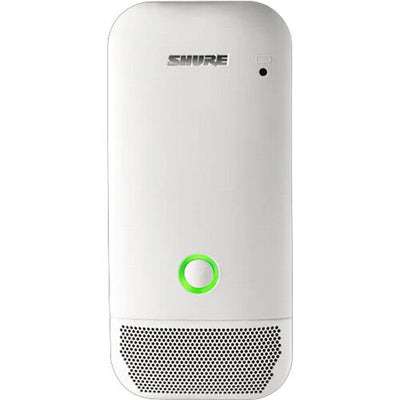 Shure
ShureULXD6W/O Wideband Wireless Boundary Transmitter, Omnidirectional (G50)
Regular price $879.00Regular priceUnit price per$879.00Sale price $879.00 -
 Shure
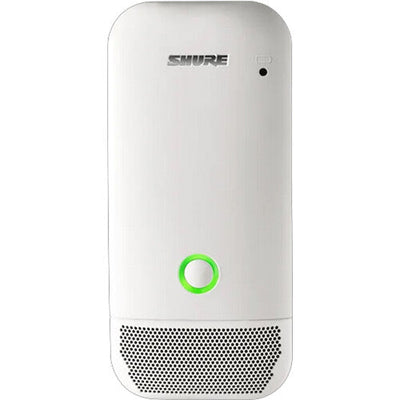
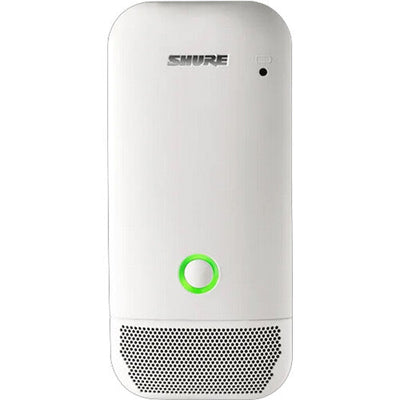
ShureULXD6W/O Wideband Wireless Boundary Transmitter, Omnidirectional (H50)
Regular price $879.00Regular priceUnit price per$879.00Sale price $879.00 -
 Shure
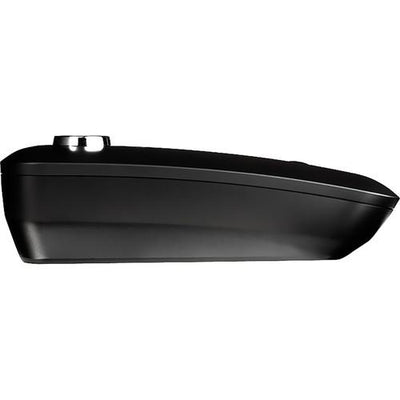
ShureULXD6W/O Wideband Wireless Boundary Transmitter, Omnidirectional (X52)
Regular price $879.00Regular priceUnit price per$879.00Sale price $879.00 -
 Shure
ShureULXD8 Wireless Ceiling Array Microphone Transmitter (X52)
Regular price $800.00Regular priceUnit price per$800.00Sale price $800.00


Live Vocals
Stage handhelds that survive loud monitors and messy technique. The SM58 is the forgiving standard; the BETA 58A adds presence and a tighter pattern when you need to cut through.


Studio Condensers
Large diaphragm condensers for vocals and acoustic sources when you have phantom power and a quieter room. LCT 240 PRO to start, AT2035 for more polish, WA-87jr when you want classic studio character.


Podcast & Streaming
Close-talk dynamics that keep untreated rooms out of the take. SM7dB for broadcast tone with built-in gain, MV7+ when you want USB now and XLR later, RE20 for natural speech with less proximity boom.


Instrument Mics
Workhorses for cabs, snares, and acoustic sources on stage or in the studio. The SM57 is the universal pick; BETA 57A tightens the pattern; SM81 brings condenser detail for strings and overheads.
Microphones: What to Know
Microphones convert acoustic energy into electrical signal. The type you need depends on what you're recording and where. Dynamic mics handle high SPL and don't need phantom power, standard for live vocals, guitar cabs, and drums. Condenser mics capture more detail and require 48V phantom power, go-to for vocals, acoustic instruments, and overhead miking. Ribbon mics offer smooth top-end response but are fragile and expensive. USB mics plug straight into your computer, skipping the interface entirely. Lavalier and shotgun mics serve video production and broadcast. Wireless systems free you from cables but add complexity and cost.
How to Choose a Microphone - Understanding Mic Types and Applications
What to Look For
Polar pattern determines what the mic hears. Cardioid rejects sound from the rear, best for isolating a single source. Omnidirectional captures sound from all directions, useful for room ambience or group recordings. Figure-8 picks up front and back while rejecting the sides, common in ribbon mics and mid-side stereo techniques. Frequency response tells you how the mic colors sound: flat response for accuracy, presence peaks for vocal clarity, rolled-off lows to reduce rumble. Sensitivity and self-noise matter for quiet sources like acoustic guitar or voiceover. Check the maximum SPL rating if you're close-miking drums or guitar amps. XLR output is standard for professional mics. Condenser mics need phantom power, so confirm your interface or mixer provides it. Build quality matters: metal bodies and steel grilles survive the road better than plastic housings.
Top Brands
Shure makes the SM57 and SM58, industry-standard dynamics for stage and studio. Audio-Technica offers solid condensers and affordable large-diaphragm models. Audix builds tough dynamics with clear midrange. Warm Audio recreates classic designs at accessible prices. Electro-Voice and Samson cover live sound and broadcast applications.
Shop Microphones at Blackout Audio
The right mic makes the difference between a recording you tolerate and one you're proud of. Pair your mic with a clean preamp and proper placement, and you're set. Dynamic mics for live gigs, condensers for studio detail, USB mics for podcasting, each has its place. Free shipping on orders over $199 across Canada.