











Getting
Your DJ Gear Has
Never Been Easier.
Find your perfect setup in less than 5 minutes with our
curated recommendations for every skill level.



Starting Out
If you’ve never touched a DJ controller before, this is your section. Every product here was chosen because it’s forgiving to learn on, sounds great out of the box, and won’t become obsolete the moment you improve. We’ve ordered them by popularity first, then budget, with a ready-to-go bundle at the bottom so you don’t have to piece things together yourself.


Entry-Level Controllers
A DJ controller is the hardware you use to mix music on your laptop. Think of it like an instrument. It has two "decks" (one for each track), a mixer in the middle, and jog wheels for nudging tracks into sync.
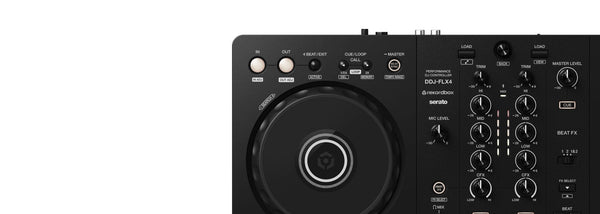
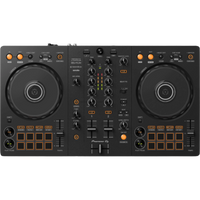
The DDJ-FLX4 is the most recommended first controller in the world right now. It has a built-in sound card (so you don’t need extra hardware), works with rekordbox, Serato, and even Algoriddim djay, and the layout is intuitive enough that you can start beatmatching within an hour. These two are identical. Pick black or white.


Battle-Style & Groove Controllers
Not every DJ plays the same way. The DDJ-REV1 uses a "battle layout": the platters sit on the inside instead of the outside, which is how scratch DJs set up turntables. If you’re drawn to hip-hop, turntablism, or DMC-style routines, this is your starting point.
The DDJ-GRV6 goes the opposite direction. It’s built around smooth, creative transitions with pad-based performance features that encourage you to play with loops, samples, and FX. Same price range as the FLX4, completely different feel. Try to figure out which style excites you before buying.

Budget Numark Alternatives
These are the cheapest way to find out if DJing is for you. The PartyMix II is bare-bones: two channels, basic jog wheels, and a small form factor that fits anywhere. You lose the build quality and software polish of Pioneer, but for casual bedroom mixing or house parties, it gets the job done.
The PartyMix Live XUS adds a built-in light show that syncs to the beat, which is genuinely fun for small gatherings. If budget is the primary constraint and you’re not sure you’ll commit to the hobby, start here. You can always upgrade later.
The Complete Starter Bundle
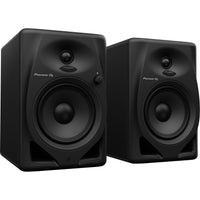
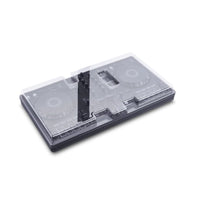
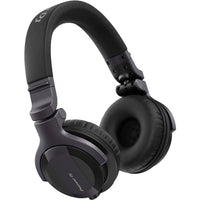
Buying a controller alone is only half the equation. You need speakers to hear what you’re doing (laptop speakers won’t cut it for mixing), headphones to preview the next track in your ear before the audience hears it (this is called "cueing"), and a cover to protect your controller from dust and spills when you’re not using it. This bundle puts all four essentials together so you can open the box and be mixing that same night, with no second trip to the store.
 In store
 Ready to ship
 In store
 In store
Level Up
You can beatmatch, you understand phrasing, and your bedroom mixes are starting to sound decent. Now you’re hitting the ceiling of your 2-channel controller. This section is about unlocking the next tier: 4-channel mixing, standalone hardware that doesn’t need a laptop, and the separates format you’ll encounter in real clubs. Better specs are only part of the jump. The real payoff is learning workflows that translate directly to professional booths.


Mid-Range 4-Channel Controllers
Going from 2 channels to 4 changes how you think about mixing. Instead of just blending Track A into Track B, you can layer loops, run acapellas over instrumentals, or keep a percussion track running underneath everything.
The DDJ-FLX10 gives you a full-size mixer section with dedicated EQs and faders for each channel, plus the jog wheels are larger and heavier. They actually feel like CDJ platters. It’s the most popular "second controller" for a reason: it teaches you skills that transfer directly to club gear. Same unit in black and white.


Standalone All-in-One Units
"Standalone" means no laptop. You export your music to a USB drive from rekordbox, plug it in, and play. This is how the pros do it. No laptop crashes mid-set, no worrying about Bluetooth disconnections, no screen glare in dark booths.
The XDJ-RR is the entry point: two decks, a basic mixer, and a compact form factor. The XDJ-RX3 adds a larger touchscreen, three-band isolator, and the ability to browse your library visually. If you want to practice at home the same way you’d perform at a venue, standalone is the path.


Club-Style Separates
"Separates" means a standalone mixer and standalone media players, sold individually. This is what club booths look like: two CDJs on either side and a mixer in the middle.
The DJM-750MK2 is a 4-channel mixer with professional-grade effects, Send/Return routing, and a sound engine derived from the flagship DJM-V10. The CDJ-900NXS is a media player that accepts USB drives and runs rekordbox. It’s the entry point into the CDJ format. Buying separates is more expensive than an all-in-one, but it’s modular: you can upgrade one piece at a time.


Scratch-Focused Performance Controllers
These are for DJs who scratch: turntablists, open-format performers, and anyone who treats the jog wheel like an instrument. The DDJ-REV5 has large, low-latency platters in a battle layout (decks on the inside) with dedicated scratch pads and lever-style FX controls.
The DDJ-REV7 goes further with motorized, spinning platters that feel like real vinyl. You can actually grab the platter, stop it, and backspin. That kind of tactile feedback is something you just don’t get from standard jog wheels. If scratch technique is your thing, the REV7 is the best controller money can buy for it.
The Intermediate Upgrade Bundle
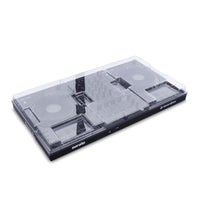
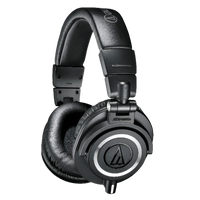
Moving to a bigger controller means your accessories need to keep up. This bundle pairs the FLX10 with a fitted Decksaver cover (these controllers are too expensive to leave unprotected), Bluetooth desktop monitors so you’re not tethered by cables, and the Audio-Technica ATH-M50x, the most trusted headphones in DJing and production. Consider adding a 1TB flash drive to start building your standalone library.
 In store
 Ready to ship
 In store
Professional & Venue
This is what’s in the booth when you walk into a nightclub, festival stage, or high-end lounge. Professional DJ gear is built for one thing above all else: reliability. These units are designed to run for 12-hour sets without overheating, survive drink spills, and deliver audio quality that holds up through 20,000-watt sound systems. If you’re gigging regularly, building a home setup for client work, or simply want the best, this is the tier.


Flagship Next-Gen Setup
The CDJ-3000X is the successor to the industry-standard CDJ-3000. It features a 9-inch HD touchscreen (up from 7), reworked internals for faster track loading and analysis, and an updated jog wheel with improved haptic feedback.
The DJM-A9 is AlphaTheta’s flagship mixer: 4 channels with a rebuilt effects engine, 64-bit digital signal processing, and a sound signature that’s been tuned for modern electronic music. Together, this is the most advanced DJ setup money can buy. It’s what the next generation of festival booths will be running.

Industry-Standard Club Setup
If you walk into any major nightclub in the world right now, this is what you’ll find behind the decks. The CDJ-3000 has been the benchmark since its release. Every professional DJ knows this interface by muscle memory.
The DJM-V10 is a 6-channel mixer with a unique analog warmth that engineers obsess over. Its four-band EQ, compressor per channel, and Send/Return effects make it as much a production tool as a DJ mixer. If you’re preparing for club gigs, owning these means you’re practicing on the exact same gear you’ll perform on.


Premium All-in-One & Portable Pro
Not every gig has a full CDJ booth waiting for you. The XDJ-AZ is AlphaTheta’s flagship standalone unit: a single piece of hardware that replaces two CDJs and a mixer. It has a 10.1-inch touchscreen, professional-grade audio output, and the same rekordbox ecosystem as the CDJs. Perfect for residencies, mobile gigs, or home studios where space is limited.
The OMNIS-DUO is something different entirely: a battery-powered portable DJ system with built-in speakers. It runs for 5 hours on a charge and weighs under 5kg. Rooftop sets, beach parties, pop-up events: anywhere without power, this is your only option at this quality level.
Accessories & Essentials
Your controller or CDJ is only one part of the chain. The speakers you mix on shape how you hear EQ and balance. The headphones you cue with determine how accurately you can preview tracks in a noisy room. Storage and furniture might seem like afterthoughts, but they affect your workflow every single session. This section covers the gear that sits around your main setup: the things that separate a functional workspace from a frustrating one.


Desktop Monitor Speakers
These are compact, powered speakers designed specifically for DJ practice and small rooms. "Powered" means they have a built-in amplifier: you just connect them directly to your controller’s output with an RCA cable and you’re playing.
The DM-50D is the wired version with zero latency. The DM-50D-BT adds Bluetooth, which is convenient for streaming music when you’re not DJing, but for actual mixing you should always use the wired connection. These won’t fill a venue, but they’re designed to sound accurate at low-to-medium volumes so you can train your ears properly.


Studio Monitor Speakers
Studio monitors are different from consumer speakers or DJ monitors. They’re designed to have a "flat" frequency response, meaning they don’t boost bass or treble to make music sound more exciting. This matters because you want to hear your mix exactly as it is, with all its flaws.
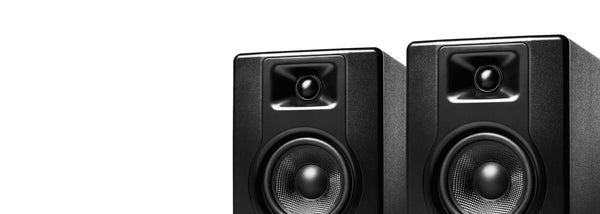
The KRK Rokit 5 G5 has a characteristic punchy low-end that many producers and DJs are familiar with. The Adam Audio T5V uses a ribbon tweeter for incredibly detailed highs and a more neutral, analytical sound. If you’re planning to produce music alongside DJing, these are what you should be mixing on.


Entry-Level & Pro Headphones
DJ headphones serve a specific purpose: you wear them on one ear to preview the next track while the current track plays through the speakers. This means they need to isolate outside noise, stay comfortable during long sets, and fold or swivel so you can hold them against one ear.
The HDJ-CUE1 is Pioneer’s most affordable option. It’s lightweight and durable, with good isolation and a design that’s meant to be tossed in a bag and taken everywhere. The ATH-M50x is the industry reference headphone used in studios, DJ booths, and broadcast worldwide. It has tighter bass response, more detailed mids, and a build quality that lasts years of daily use.


Wireless & Color Variants
The ATH-M50xBT2 is the Bluetooth version of the M50x. It supports multipoint connectivity (two devices simultaneously), has a 50-hour battery life, and sounds nearly identical to the wired version. You can’t DJ with Bluetooth headphones because of audio latency, but for everyday listening, commuting, and casual music discovery, these are excellent.
They still work wired when you need zero latency. The white M50x is the same studio-reference headphone in a different colorway: same drivers, same sound, just stands out more in photos and on stage.


Storage & Furniture
If you’re playing on standalone gear (CDJs, XDJs, or all-in-ones), your music lives on a USB drive. The AlphaTheta/SanDisk 1TB flash drive is rekordbox-certified, meaning it’s been tested for read speeds that won’t cause loading issues during a live set. 1TB is enough for roughly 200,000 tracks. You’ll never run out of space.
The Glorious Session Cube XL is a dedicated DJ stand with integrated cable management, ventilation cutouts, and a height designed specifically for standing DJ setups. It replaces the wobbly table or cluttered desk and gives your gear a permanent, professional home.
Home Studio Setup
A lot of DJs eventually want to produce their own music, record mixes for SoundCloud, or just have a proper audio setup for their workspace. This section covers the gear that bridges DJing and music production: audio interfaces for getting sound in and out of your computer, MIDI controllers for making beats, microphones for recording or streaming, and the cables that connect it all. None of this is strictly necessary for DJing, but if you want a creative space that does more than just play tracks, this is where to start.


Audio Interfaces
An audio interface is the box that sits between your gear and your computer. It converts analog audio (turntables, mixers, microphones) into digital signal your DAW can record, and converts digital audio back to analog for your speakers. Without one, you’re stuck using your laptop’s built-in sound card, which has terrible latency and audio quality.
The Arturia MiniFuse 2 is sleek, bus-powered (runs off USB, no external power needed), and comes bundled with a solid software suite including Analog Lab. The Focusrite Scarlett 2i2 is the best-selling audio interface in the world. The 4th gen has improved preamps, Air mode for added presence on vocals, and near-zero latency monitoring. Either one gives you two inputs and two outputs, which is enough for recording a DJ mix or tracking vocals and instruments.


Beat-Making Controller & Microphone
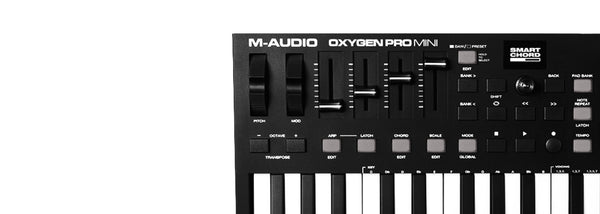
The Akai MPK Mini MK3 is a pocket-sized MIDI controller with 25 velocity-sensitive keys, 8 backlit drum pads, and 8 assignable knobs. It’s the most popular beat-making controller for beginners because it’s cheap, portable, and works with every DAW out of the box. If you want to sketch out ideas, play melodies, or trigger samples, this is the tool.
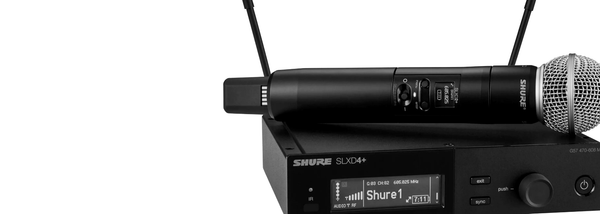
The Shure SM7dB is a dynamic microphone based on the legendary SM7B (the mic you see in every podcast studio and recording booth), but with a built-in preamp that eliminates the need for an external gain booster. If you’re streaming, recording voiceovers for mixes, or starting a DJ podcast, this microphone will last your entire career.


Essential Cables: RCA & XLR
Cables are the least exciting purchase you’ll make, but bad cables cause buzzing, signal dropout, and intermittent crackling that will drive you insane during a recording or live set. RCA cables (the red and white connectors) are what you use to connect DJ controllers and turntables to speakers or audio interfaces. XLR cables (the round 3-pin connectors) are for microphones and professional studio monitors.
Digiflex makes reliable, Canadian-manufactured cables with solid strain relief. They’re not the cheapest option, but they’re the last cables you’ll buy. Six-foot lengths work for most desktop setups; go longer if your gear is spread across a room.