
















Vinyl vs Digital DJing: Pros and Cons

The vinyl versus digital debate has defined DJ culture for over two decades. If you're trying to decide which path to take — or wondering if you need to pick just one — this guide breaks down what actually matters. We'll cover sound quality, workflow, cost, portability, and the learning curve for both approaches. By the end, you'll know which format fits your style and goals.
What Is Vinyl DJing?
Vinyl DJing means playing music from physical records using turntables. You cue tracks by hand, match beats by ear and feel, and control tempo with a pitch fader. The process is entirely tactile. Your hands stay on the records, constantly adjusting and correcting. This is how DJing started, and it's still how many DJs prefer to work.
The core equipment includes two turntables, a mixer, and a collection of records. You need a needle (stylus and cartridge), a preamp or phono input on your mixer, and speakers or headphones. The signal path is purely analog until it hits your mixer's output.
Vinyl DJing requires physical space for your setup and your record collection. Records are heavy, fragile, and take up room. You can't carry 10,000 tracks to a gig. You bring what fits in your bag and make it work.
What Is Digital DJing?
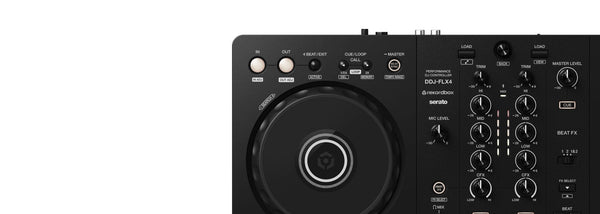
Digital DJing uses software and controllers to play audio files stored on a computer, tablet, or standalone device. Popular platforms include rekordbox, Serato DJ Pro, Traktor, and djay. You control playback with jogwheels, pads, and faders on a hardware controller, or directly on a touchscreen.
Digital systems offer instant access to your entire music library. You can search by BPM, key, genre, or custom tags. Waveforms show you the structure of a track before you play it. Sync buttons can match tempos automatically, though most serious DJs still beatmatch manually for precision.
The hardware ranges from compact two-channel controllers to professional four-channel setups with built-in screens and effects. Some DJs use DVS (Digital Vinyl System) setups that combine real turntables with timecode vinyl to control digital files — a hybrid approach that keeps the feel of vinyl while accessing a digital library.
Sound Quality Comparison
Vinyl produces a warm, full sound that many DJs and listeners prefer. The analog signal chain adds subtle harmonic distortion and compression that digital systems don't naturally create. This warmth is partly due to the physical limitations of the format — the needle riding in a groove, the RIAA equalization curve, the mechanical vibrations of the system.
Digital audio is technically cleaner. A well-mastered digital file has wider dynamic range, lower noise floor, and no surface noise or wow and flutter. High-quality digital files (lossless FLAC or WAV) reproduce the studio master more accurately than vinyl ever could.
But accuracy isn't always the goal. Vinyl's imperfections are part of its character. The slight crackle, the way bass frequencies cause the needle to bounce, the physicality of the medium — these qualities shape the sound in ways that some producers and DJs intentionally seek out.
In a loud club environment, the difference between vinyl and high-quality digital files is minimal. Most sound systems and room acoustics mask the subtle distinctions. The format matters more for home listening or intimate venues where detail comes through.
Workflow and Performance Differences
Vinyl forces you to plan ahead. You select records before the gig, organize them in crates or bags, and work within that selection all night. This constraint can be creative — it makes you dig deeper into each record and find unexpected connections between tracks.
Beatmatching on vinyl is harder. You're listening to two tracks in your headphones, adjusting pitch and nudging the platter by hand, feeling for the moment when the kicks align. It takes practice. Once you have it, the skill transfers to any format.
Digital systems let you prepare cue points, loops, and hot cues in advance. You can organize tracks into playlists, set memory cues at the perfect intro point, and recall them instantly during a set. This preparation speeds up your workflow and reduces the chance of trainwrecks.
Effects and creative tools are more accessible in digital formats. Most DJ software includes filters, delays, reverbs, and beat-synced effects that would require expensive outboard gear in an analog setup. You can layer loops, trigger samples, and manipulate tracks in ways vinyl can't match.
Vinyl rewards focus and intention. You can't scroll through thousands of tracks mid-set. You play what's in front of you. Digital rewards preparation and flexibility. You can read the room and pivot to a completely different genre if needed.
Cost Considerations
Vinyl DJing has high upfront costs. Professional turntables range from around $1,149 CAD to over $2,000 CAD each, and you need two of them plus a mixer. A complete setup with quality gear typically starts around $3,000-4,000 CAD for new equipment. Used gear can lower that barrier, but you still need budget for needles, slipmats, and record cleaning supplies.
Records themselves add up quickly. New vinyl typically costs $15-40 CAD per record. Building a usable DJ collection means buying hundreds of records. Used record stores and online marketplaces help, but you're still investing serious money into physical media.
Digital setups have lower entry costs. A capable DJ controller with software can start in the low hundreds for entry-level gear. You can use your existing laptop. Music costs depend on your source — streaming DJ services like Beatport Link or TIDAL cost $10-30/month for access to millions of tracks. Buying digital files outright costs roughly the same per track as vinyl, but you can store thousands without additional physical space.
Long-term costs favor digital. Once you own a controller, your main expense is music and occasional software updates. Vinyl requires ongoing needle replacements, record purchases, and eventually turntable maintenance or upgrades.
Portability and Space Requirements
Vinyl is heavy and fragile. A crate of records weighs significantly, and transporting multiple crates adds up fast. Turntables are bulky and sensitive to vibration and leveling. Transporting a vinyl setup to gigs requires a vehicle, protective cases, and time to set up and calibrate.
Digital gear is compact. A controller and laptop fit in a backpack. Your entire music library lives on a hard drive or in the cloud. You can fly to a gig with everything you need in carry-on luggage.
Home setup space differs dramatically. Turntables need a stable surface, room for your mixer, and storage for records. A digital setup works on a desk or small table. If space is limited, digital makes more sense.
Learning Curve and Skill Development
Vinyl teaches you to beatmatch by ear. This is the fundamental DJ skill. You develop timing, pitch perception, and the ability to blend tracks smoothly without visual aids. These skills transfer to any format and make you a better DJ overall.
Digital platforms offer visual feedback that speeds up learning. Waveforms show you where the beat hits. BPM counters tell you if tracks are close in tempo. Sync buttons can handle basic beatmatching while you focus on track selection and phrasing.
The risk with digital is relying too heavily on visual cues and automation. DJs who start on sync-enabled controllers sometimes struggle when forced to beatmatch manually or play on unfamiliar equipment. Starting on vinyl or learning to beatmatch without sync builds a stronger foundation.
Both formats require practice. Vinyl demands more upfront time investment to develop manual skills. Digital requires learning software interfaces, organizing libraries, and understanding file formats and audio quality. Neither path is inherently easier — they're just different skill sets.
Music Discovery and Curation
Vinyl encourages deliberate curation. You buy records one at a time, often after hearing them in a store or at another DJ's set. You build relationships with record shops and distributors. Your collection reflects intentional choices, not algorithmic recommendations.
Digital platforms make discovery effortless but overwhelming. Streaming services and download stores offer millions of tracks. You can preview anything instantly, but the sheer volume makes it harder to develop a distinct sound. Playlists and recommendations help, but they also push everyone toward the same popular tracks.
Vinyl DJs often have deeper knowledge of their collections because they've physically handled every record. Digital DJs can carry more music but may know individual tracks less intimately. The format shapes how you interact with music and how you build your identity as a DJ.
Hybrid Approaches
You don't have to choose one format exclusively. Many DJs use both depending on context. DVS systems let you control digital files using real turntables and timecode vinyl. You get the tactile feel of vinyl with the library size and flexibility of digital.
Some DJs play vinyl for certain genres or special sets, then switch to digital for mainstream gigs where a broad selection matters more than format purity. Others use digital for preparation and practice, then play vinyl at events where the format contributes to the aesthetic.
Hybrid setups require more gear and knowledge, but they offer the best of both worlds. You can scratch and juggle on turntables while accessing your entire digital library. You can play rare vinyl pressings alongside new digital releases in the same set.
Which Format Is Right for You?
Choose vinyl if you value the tactile experience, want to develop strong manual beatmatching skills, and enjoy collecting physical media. Vinyl makes sense for DJs playing genres with strong vinyl culture (house, techno, hip-hop, reggae) or for those who prioritize sound character over convenience.
Choose digital if you need portability, want access to a massive music library, or play genres where new releases matter more than catalog depth. Digital works well for mobile DJs, bedroom producers, and anyone working in small spaces or traveling frequently.
Consider a hybrid approach if you want the best of both formats and have the budget for multiple setups. DVS systems bridge the gap effectively, giving you vinyl's feel with digital's flexibility.
Your decision should reflect your musical goals, physical constraints, and budget. Both formats produce excellent DJs. The tools matter less than how you use them.
Our Recommendations
These turntables represent different points on the vinyl DJing spectrum, from classic workhorses to modern hybrid designs that merge analog and digital workflows.


The Technics SL-1200MK7 sets the standard for professional vinyl DJing. Its coreless direct drive motor eliminates cogging for precise pitch control, and the design has been refined since 1972 to deliver exceptional rotational accuracy and performance. This is the turntable that defined DJ culture and continues to be the benchmark for serious vinyl work.
The Pioneer DJ PLX-1000 offers professional-grade build quality with a high-torque direct drive motor and classic layout that DJs are familiar with. Its heavy-mass zinc die-cast chassis with reinforced bottom minimizes vibration for stable playback. This is a solid choice for DJs building their first serious vinyl setup or upgrading to professional equipment.
The Pioneer DJ PLX-CRSS12 combines traditional vinyl playback with DVS control through its MAGVEL CLAMP system. You can scratch real vinyl records without a tone arm, controlling rekordbox and Serato DJ Pro while maintaining the physical interaction that makes vinyl appealing. This hybrid design bridges the gap between analog purists and digital practitioners.
The Numark PT01 Scratch is a portable turntable designed for DJs who want to scratch and perform with vinyl on the go. Its built-in speakers and compact design make it accessible for practice sessions anywhere, while the scratch switch feature allows for creative mixing techniques that illustrate the unique capabilities of vinyl DJing.
Frequently Asked Questions
Is vinyl DJing harder than digital DJing?
Vinyl requires more manual skill for beatmatching since you're working without visual waveforms or BPM counters. You develop timing and pitch perception through practice. Digital platforms offer more visual feedback and tools like sync, which can speed up learning but may create dependency if overused. Both formats require practice — vinyl emphasizes manual technique while digital emphasizes library organization and software knowledge.
Does vinyl actually sound better than digital?
Vinyl has a characteristic warmth from analog signal processing and physical playback limitations. Digital audio is technically more accurate with wider dynamic range and lower noise. In loud club environments, the difference is minimal. The "better" format depends on whether you value technical accuracy or analog character. High-quality digital files and vinyl records both sound excellent through proper equipment.
Can you scratch on digital DJ controllers?
Yes, most DJ controllers with jogwheels support scratching. The feel differs from vinyl — jogwheels have less mass and different resistance. DVS systems using real turntables with timecode vinyl provide the most authentic scratching experience while controlling digital files. Dedicated scratch controllers offer motorized platters that closely mimic turntable feel.
How much does it cost to start DJing with vinyl?
Professional turntables start at $1,149 CAD each, and you need two plus a mixer. A complete new vinyl setup typically costs $3,000-4,000 CAD or more. Used equipment can reduce initial costs. You'll also need to budget for records — expect to spend several hundred dollars initially to build a playable collection. Ongoing costs include needle replacements and new records.


