
















What Is Phantom Power and When Do You Need It

If you've ever plugged a condenser microphone into an audio interface and wondered why it needs a mysterious "48V" button pressed to work, you've encountered phantom power. It's not magic, and it's not optional for certain types of microphones. Understanding what phantom power is and when you need it will save you from silent recording sessions and help you choose the right microphone for your setup.
What Is Phantom Power?
Phantom power is a method of delivering DC electrical current through microphone cables to power certain types of microphones. The standard voltage is 48 volts, though some equipment provides 12V or 24V options. The term "phantom" comes from the fact that this power travels invisibly along the same XLR cable that carries your audio signal — no separate power cable required.
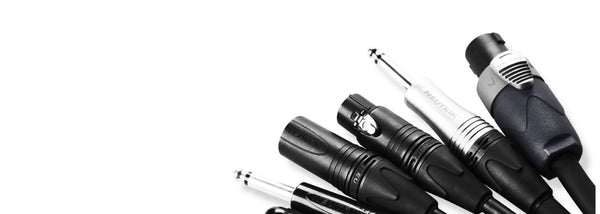
The voltage runs through pins 2 and 3 of a standard XLR connector, with pin 1 serving as ground. Because the voltage is identical on both signal-carrying pins, balanced microphones ignore it completely. The power is there when needed, invisible when it's not.
Which Microphones Need Phantom Power?
Condenser microphones require phantom power to operate. These microphones use a capacitor-based capsule that needs electrical current to maintain a charge on the diaphragm. Without that charge, the capsule can't convert sound waves into electrical signals. No phantom power means no signal.
Dynamic microphones do not require phantom power. They generate their own electrical signal through electromagnetic induction — a diaphragm attached to a coil moves within a magnetic field, creating voltage without any external power source. You can plug a dynamic mic straight into a preamp and start recording.
Ribbon microphones also don't need phantom power, and here's where caution is essential. Some ribbon microphones — particularly vintage models and certain modern designs with unbalanced or non-standard output configurations — can be damaged if phantom power is applied. The risk comes from DC voltage reaching the ribbon element itself, which can stretch or burn the delicate ribbon. Most contemporary ribbon microphones include internal transformers that safely reject phantom power, but you should always verify your specific model's compatibility before engaging 48V. When in doubt, leave phantom power off for ribbon mics.
How to Provide Phantom Power
Most audio interfaces include built-in phantom power. You'll find a button or switch labeled "48V" or "phantom power" on the front panel or in your interface's control software. Some interfaces have individual phantom power switches for each input, while others apply it globally to all mic inputs at once.
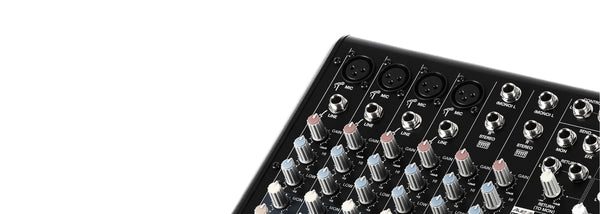
External microphone preamps also provide phantom power, usually with a dedicated switch per channel. Mixing consoles typically have phantom power available on every microphone input, controlled either per-channel or in groups.
The process is simple: connect your condenser microphone with an XLR cable, then engage phantom power on your interface or preamp. Most microphones don't have an on/off switch — they activate automatically when phantom power is present. You should see a signal level on your interface's meters when you speak or sing into the microphone.
What Happens If You Forget Phantom Power?
If you connect a condenser microphone without engaging phantom power, you'll get no signal. The meters won't move. The microphone is completely silent. This is the most common mistake in home studios — you've got everything connected properly, but you forgot to press that 48V button.
The reverse scenario is also common: you engage phantom power when using a dynamic microphone. This doesn't damage the microphone. Dynamic mics simply ignore phantom power because of how they're wired. The balanced connection rejects the DC voltage, and your microphone works exactly as it should.
Phantom Power and USB Microphones
USB microphones handle phantom power internally. When you plug a USB condenser microphone into your computer, it draws power from the USB connection itself. The microphone's internal circuitry converts that USB power into the voltage needed for the condenser capsule. You never need to think about phantom power with USB microphones — it's all handled automatically.
This is one reason USB microphones are popular for podcasting and home recording. There's no audio interface required, no phantom power switch to remember, and no XLR cables to manage. You plug in and record.
Practical Considerations for Your Studio
When building a microphone collection, you'll likely end up with both dynamic and condenser microphones. Dynamic mics excel at handling high sound pressure levels and rejecting background noise — perfect for live vocals and loud instruments. Condenser mics capture more detail and extended frequency response — ideal for vocals, acoustic instruments, and overhead drum miking.
Your audio interface needs enough phantom-powered inputs to match your condenser microphone count. If you're recording a drum kit with four condenser overheads and room mics, you need an interface that can provide phantom power to at least four inputs simultaneously. Check your interface's specifications before assuming all inputs support phantom power — some budget interfaces only provide it on certain channels.
Power consumption matters in mobile recording situations. Phantom power draws current from your audio interface, which draws power from your computer or power supply. If you're recording on battery power, using multiple condenser microphones will drain your laptop faster than using dynamic mics.
Our Recommendations


The SM58 demonstrates why dynamic microphones remain essential tools. Originally designed for live sound reinforcement, it handles high sound pressure levels without phantom power and rejects feedback naturally. Many engineers keep one in the studio for tracking loud sources or adding character to vocals. The Beta 87A shows what phantom power enables — a condenser capsule that captures vocal detail and presence impossible with dynamic designs, making it a professional choice for stage performances and studio vocal tracking.
For home recording, the AT2020 offers condenser quality at an accessible price point, requiring only a basic audio interface with phantom power. Its cardioid pattern and wide frequency response make it versatile for vocals, acoustic guitar, and podcasting. The HypeMiC takes a different approach entirely, handling its power requirements internally through USB while providing studio-quality analog circuitry including a built-in compressor. You get the sonic benefits of a well-designed condenser without needing an external interface or phantom power supply.
Explore Mentioned Brands


FAQ
Can phantom power damage my microphone?
Phantom power will not damage dynamic microphones. Modern ribbon microphones with properly implemented balanced outputs are generally safe with phantom power, but some ribbon designs — particularly vintage models or those with non-standard wiring — can be damaged by DC voltage reaching the ribbon element. Always consult your ribbon microphone's documentation before applying phantom power. Condenser microphones require phantom power and cannot be damaged by it.
Why is it called 48 volt phantom power specifically?
The 48-volt standard emerged as the professional audio industry coalesced around a voltage that provided sufficient current for condenser microphones while remaining safe for balanced cable runs. Lower voltages like 12V or 24V exist but don't provide enough headroom for all condenser designs. The specific 48V figure became standardized through widespread adoption rather than a single inventor's decree.
Do I need to turn off phantom power before unplugging a microphone?
Turning off phantom power before unplugging prevents a loud pop through your monitors or headphones. The pop itself won't damage your microphone, but it can be startling and potentially harmful to speakers at high volumes. Get in the habit of disengaging phantom power, turning down your monitors, then disconnecting your microphone.
Can I use a microphone that requires phantom power with a device that doesn't provide it?
You cannot use a condenser microphone without phantom power. If your recording device lacks phantom power, you need an external phantom power supply that sits between your microphone and recording device. These are available as standalone units, though investing in an audio interface with built-in phantom power is usually more practical.


