












Best Cables for Beginners 2026

You're setting up your first home studio or getting ready for your first gig, and you need cables that won't let you down. The good news: you don't need to spend a fortune on boutique cables to get reliable sound. The bad news: buying the wrong cables means frustrating troubleshooting sessions and wasted money on replacements. This guide walks you through the essential cables every beginner needs and what to look for when you're just starting out.
What to Look For in Beginner Cables
Your first cables need to do three things: connect your gear reliably, survive being plugged and unplugged repeatedly, and not introduce noise into your signal chain. Start by identifying what you're connecting. Guitars and basses use 1/4" instrument cables. Microphones typically use XLR cables. Patching gear together in a home studio often requires TRS or RCA cables.
Cable length matters more than you think. A short cable works great for connecting a guitar to a pedalboard or an interface sitting on your desk. A longer cable gives you room to move around while tracking vocals. Anything excessively long risks signal degradation and added noise, especially with unbalanced instrument cables.
Build quality shows up in the connectors. Look for cables with metal housings and strain relief where the cable meets the plug. Cheap plastic connectors crack after a few months of use. The cable jacket should feel flexible but substantial — overly stiff cables are a pain to work with, and flimsy ones expose the internal wiring to damage.
You don't need gold-plated oxygen-free copper for your first setup. You need cables that work consistently and don't fall apart. Save the expensive stuff for later when you can actually hear the difference.
Our Picks for Beginners


Best Instrument Cable for Guitars and Basses: Digiflex HPP-6
The Digiflex HPP-6 is an instrument cable that handles the basics without drama. You plug your guitar into your amp or interface, and it works. The high-flex design means it coils up easily in your gig bag and doesn't fight you when you're moving around.
At $13.49, this cable sits in the sweet spot for beginners. You're paying for connectors that won't fall apart after a month and shielding that keeps buzz and hum out of your signal. Digiflex builds these cables with precision soldering and proper strain relief. That matters because the plug-to-cable junction is where cheap cables fail first.
You'll get consistent performance across multiple instruments and setups, which is exactly what you need when you're still figuring out your workflow. This cable works equally well for guitars, basses, and keyboards with 1/4" outputs.
Best Microphone Cable for Home Recording: Digiflex HXX-6
The Digiflex HXX-6 is an XLR cable designed for connecting microphones to audio interfaces or mixers. This cable uses the same build quality as the HPP-6 instrument cable — robust connectors, effective shielding, and a flexible jacket that doesn't kink or tangle.
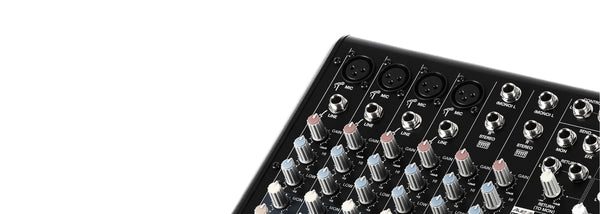
For $13.99, you're getting a cable that works for both studio recording and small live performances. The balanced XLR connection rejects interference better than unbalanced cables, which means cleaner recordings with less background noise. This cable gives you enough length to position a mic stand comfortably without excess cable draped across your workspace.
This cable handles dynamic mics like the Shure SM58 and condenser mics equally well. You don't need to think about it — it just passes your signal through cleanly. That reliability matters when you're learning how to set gain levels and position microphones properly.
Best Budget TRS Cable: Hosa GPM-103
The Hosa GPM-103 is a 1/4" TRS to 1/4" TRS cable that costs $3.99. This is the cable you need for connecting keyboards to audio interfaces, patching effects pedals, or linking studio monitors to your interface's outputs.
TRS cables carry balanced signals, which makes them the right choice for studio connections where you want to minimize noise. Hosa builds these cables with durable connectors that resist wear and maintain good contact over time. The compact design keeps your desktop or pedalboard tidy.
At under four dollars, you can buy several of these without feeling guilty. Having multiple patch cables on hand means you can reconfigure your setup quickly as you add new gear. The durability is solid for the price — these cables hold up to regular plugging and unplugging better than you'd expect.
Best Dual RCA Cable: Hosa CPR-203
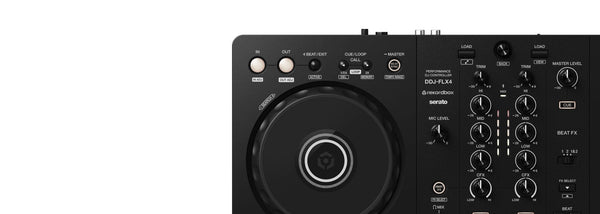
The Hosa CPR-203 is a dual RCA to dual RCA cable priced at $17.59. You need this cable for connecting stereo audio gear — think DJ controllers, turntables, synthesizers, or any device with RCA outputs to mixers or audio interfaces with RCA inputs.
This cable uses oxygen-free copper conductors and spiral shielding to reject electromagnetic interference. That engineering matters because RCA connections are unbalanced and more susceptible to picking up noise from nearby power cables or Wi-Fi routers. The nickel-plated plugs ensure a solid connection that won't degrade over time.
Hosa designed this cable for reliable stereo audio transmission between consumer and pro audio gear. The build quality exceeds what you'd expect at this price point, making it a smart investment for beginners building their first setup.
Best Stereo Mini to RCA Cable: Hosa CMR-203
The Hosa CMR-203 is a stereo mini (3.5mm) to dual RCA cable that costs $10.79. This cable connects your laptop, phone, or portable audio device to studio monitors, mixers, or audio interfaces with RCA inputs.
The stereo mini plug splits into left and right RCA connectors, giving you proper stereo separation for monitoring and playback. This cable is essential if you're DJing from a laptop or using your phone as a reference playback device in the studio. The compact design keeps cable runs short and organized on a desk or DJ booth.
Hosa builds this cable with the same attention to shielding and connector quality as their other products. You get clean audio transfer without the hum or buzz that cheap adapter cables introduce. For beginners who need to connect consumer devices to pro audio gear, this cable solves the problem without compromise.
Also Worth Exploring


The Digiflex HPP-3 is a shorter version of the HPP-6 instrument cable at $11.99. The more compact length is perfect for tight pedalboard connections or desktop setups where you don't need much reach. Same build quality, same reliability, just more compact.
The Digiflex HXX-3 is a shorter XLR cable priced at $11.99. This microphone cable works well in controlled studio environments where your mic is close to your interface. It keeps your workspace cleaner and reduces the risk of tripping over excess cable during recording sessions.
Cable Management Tips for Beginners
Label your cables with tape or cable tags as soon as you buy them. When you have five black cables of similar length, knowing which one is your instrument cable versus your microphone cable saves time during setup. Use velcro cable ties instead of twist ties — they're reusable and won't damage the cable jacket.
Coil your cables properly after each use. The over-under technique prevents kinks and extends cable life. Never wrap cables tightly around your arm or coil them in tight circles. Store cables loosely coiled in a bag or hung on hooks.
Keep your cables away from power cables and adapters when possible. Running audio cables parallel to power cables for long distances can introduce hum into your signal. Cross power and audio cables at 90-degree angles if they must intersect.
Explore Mentioned Brands


Frequently Asked Questions
Do I need balanced or unbalanced cables for my home studio?
Use balanced cables (XLR or TRS) for microphones and line-level connections. Balanced cables reject interference better, which means cleaner recordings. Instrument cables for guitars and basses are unbalanced by design — that's normal and expected. For short connections on a desktop, both balanced and unbalanced cables can work, but balanced cables offer better noise rejection.
How long should my cables be?
Buy cables based on your actual setup dimensions, not what you think you might need later. Measure your space and add a bit of slack so cables aren't stretched tight. Shorter cables reduce clutter and the chance of signal degradation. Longer cables give you room to move around while tracking. Match the cable length to your specific use case.
Can I use the same cable for my guitar and microphone?
No. Guitar cables use 1/4" TS (tip-sleeve) connectors and are unbalanced. Microphone cables use XLR connectors and are balanced. The connectors are physically different and not interchangeable. You need both types of cables for a functional home studio or live rig.

